Senegal's Political Landscape: Diomaye's Marginalization Echoes Past Leaders' Grip on Parties
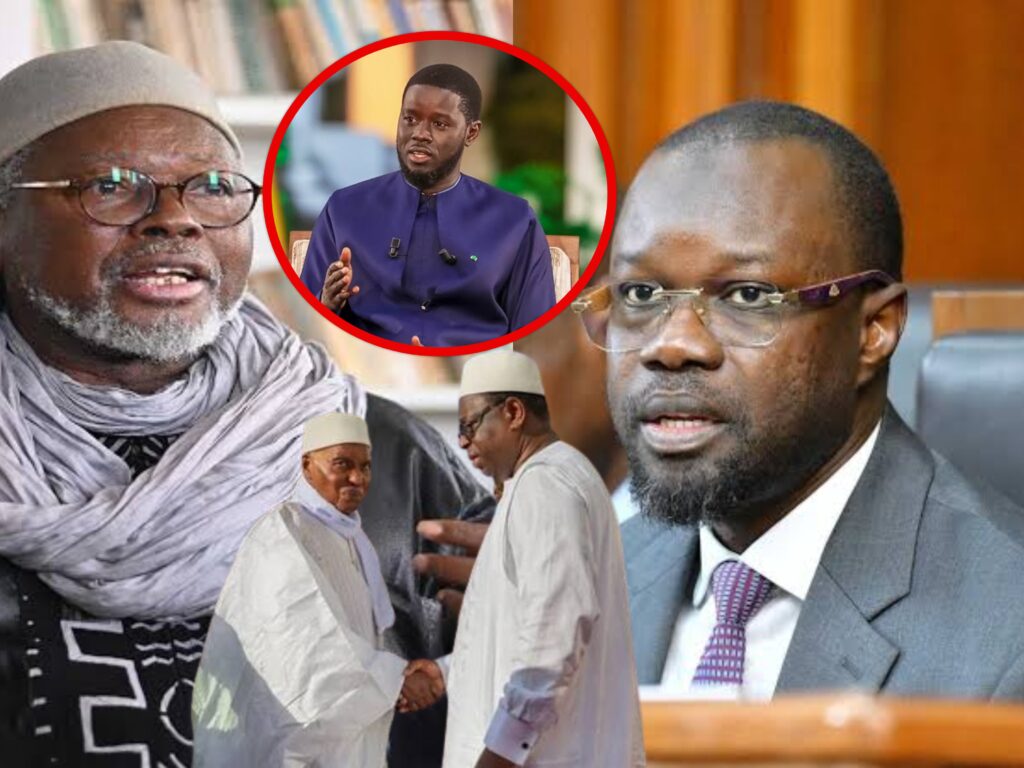
Senegalese activist Alioune Tine has drawn a parallel between the current political situation of President Bassirou Diomaye Faye and the past actions of former presidents Abdoulaye Wade and Macky Sall. Tine suggests that Diomaye's perceived marginalization within his own party, Pastef, mirrors the reasons why Wade and Sall were reluctant to relinquish control of their respective political parties. This observation leads Tine to call for a clearer delineation between the responsibilities and influence of the state and those of political parties. He argues that the persistent hold of leaders on their parties, as exemplified by Wade and Sall, has implications for the broader political system and the functioning of the state. Tine's commentary highlights a recurring theme in Senegalese politics where party leadership and state power become intertwined. The activist's remarks serve as a reflection on the challenges of democratic governance when party structures heavily influence state affairs. He urges a re-evaluation of these boundaries to ensure a more robust separation of powers and a healthier political environment.
The dynamic described suggests a potential tension between party loyalty and presidential authority in Senegal. When political leaders maintain tight control over their parties, it can create governance challenges, potentially leading to situations where the party's interests might supersede or complicate state objectives. This situation prompts reflection on institutional design and the mechanisms that ensure a clear separation between party apparatus and state functions. Examining the incentive structures that encourage leaders to retain party control, versus those that promote delegation and institutional independence, is crucial for understanding the long-term health of democratic systems. Future governance models may need to proactively address these interdependencies to foster more effective and accountable leadership.
AI-generated to prompt reflection — not editorial opinion, not advice, not a statement of fact. How this works.