Senegal's President Sall Questions Impact of 'Hidden Debt' Narrative on His Legacy
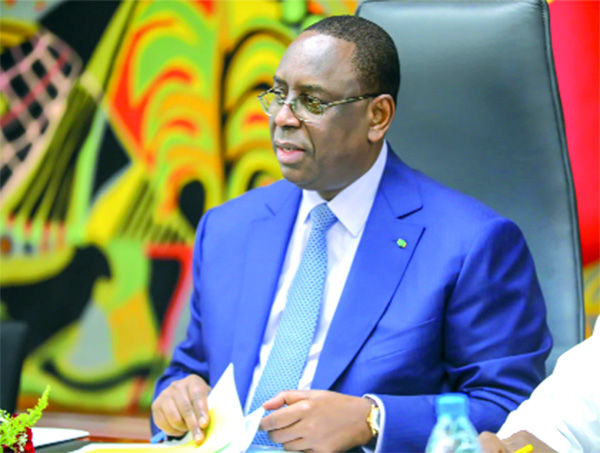
Senegalese President Macky Sall has expressed concern that a narrative surrounding 'hidden debt' could undermine his twelve-year tenure and diplomatic achievements. This comes as two key figures associated with the 'hidden debt' discourse have recently offered nuanced perspectives. On June 15, 2026, Ousmane Sonko, who now serves as President of the National Assembly after leaving his previous position, appeared on RFI and France 24. Sonko's statements, made within a week of another significant contributor to the 'hidden debt' narrative, suggest a potential shift in the political and economic discourse that has dominated Senegal since September 2024. The 'hidden debt' issue has been a major point of contention, influencing political and economic discussions within the country. President Sall's remarks highlight the perceived threat to his legacy posed by this ongoing narrative, particularly in light of these recent developments. The situation suggests a complex political landscape where perceptions of national debt and economic management are subject to evolving interpretations.
The discourse surrounding Senegal's 'hidden debt' narrative appears to be a significant factor influencing political stability and economic perception. President Sall's questioning of its impact suggests a concern over how this narrative might overshadow his administration's stated achievements, including diplomatic influence. The recent nuanced statements from key figures associated with this narrative could indicate a strategic recalibration of political messaging or a genuine evolution in understanding the nation's financial situation. This situation warrants observation regarding how the government and opposition actors will navigate the economic realities and public perception in the lead-up to future political events. The interplay between economic transparency, public trust, and political legacy will be crucial in shaping Senegal's trajectory over the next decade, particularly in an era where financial governance is increasingly scrutinized globally.
AI-generated to prompt reflection — not editorial opinion, not advice, not a statement of fact. How this works.