Senegal's Sonko Plans Parliamentary TV Channel and Podcast to Modernize National Assembly
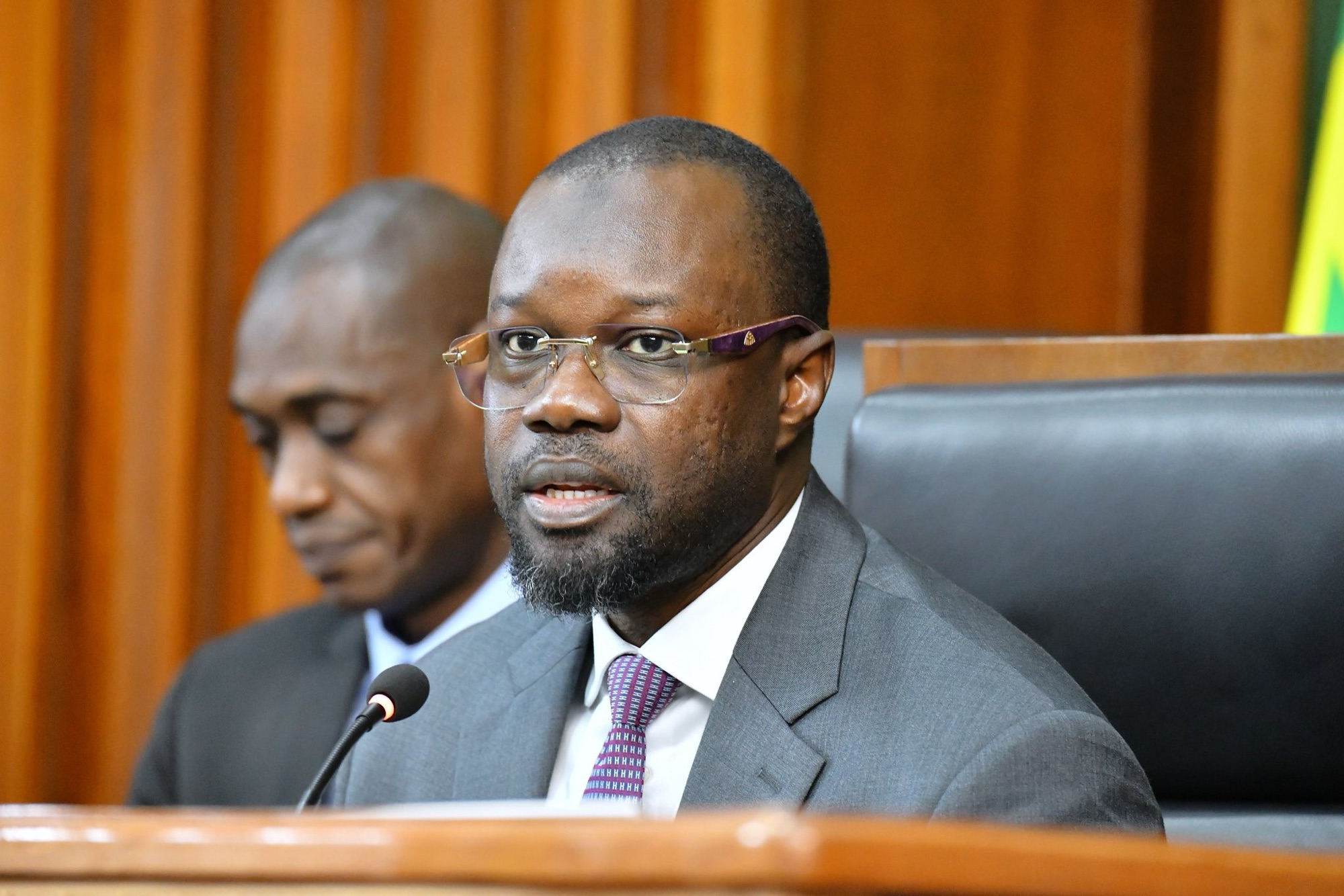
Ousmane Sonko, a prominent figure in Senegal, has announced plans to launch a parliamentary television channel, a podcast, and a newsletter. The initiative aims to enhance transparency within the National Assembly. These new media platforms are intended to modernize the institution and improve public access to information regarding legislative activities. Furthermore, Sonko indicated that reforms concerning key sectors such as agriculture, defense, and justice will be prepared during the intersession period. This suggests a broader agenda of institutional and policy reform beyond just media modernization. The focus on transparency through these channels indicates a desire to foster greater public engagement and accountability in the political process. The preparation of reforms during the intersession highlights a proactive approach to legislative work.
The proposed creation of a parliamentary TV channel, podcast, and newsletter by Ousmane Sonko signals an intent to leverage modern media for enhanced governmental transparency and public engagement. This approach aligns with global trends in digital governance, aiming to demystify legislative processes and foster greater accountability. By providing direct channels for information dissemination, these initiatives could potentially reduce reliance on traditional media filters and empower citizens with more direct insights into parliamentary activities and policy development. The focus on preparing reforms in agriculture, defense, and justice during the intersession period suggests a strategic effort to address substantive policy areas, potentially recalibrating national priorities. The success of these endeavors will likely depend on their operational independence, the quality of content produced, and their ability to genuinely increase public understanding and participation in Senegal's democratic discourse.
AI-generated to prompt reflection — not editorial opinion, not advice, not a statement of fact. How this works.