Senegal's Water Sachet Alert Prompts Regional Vigilance
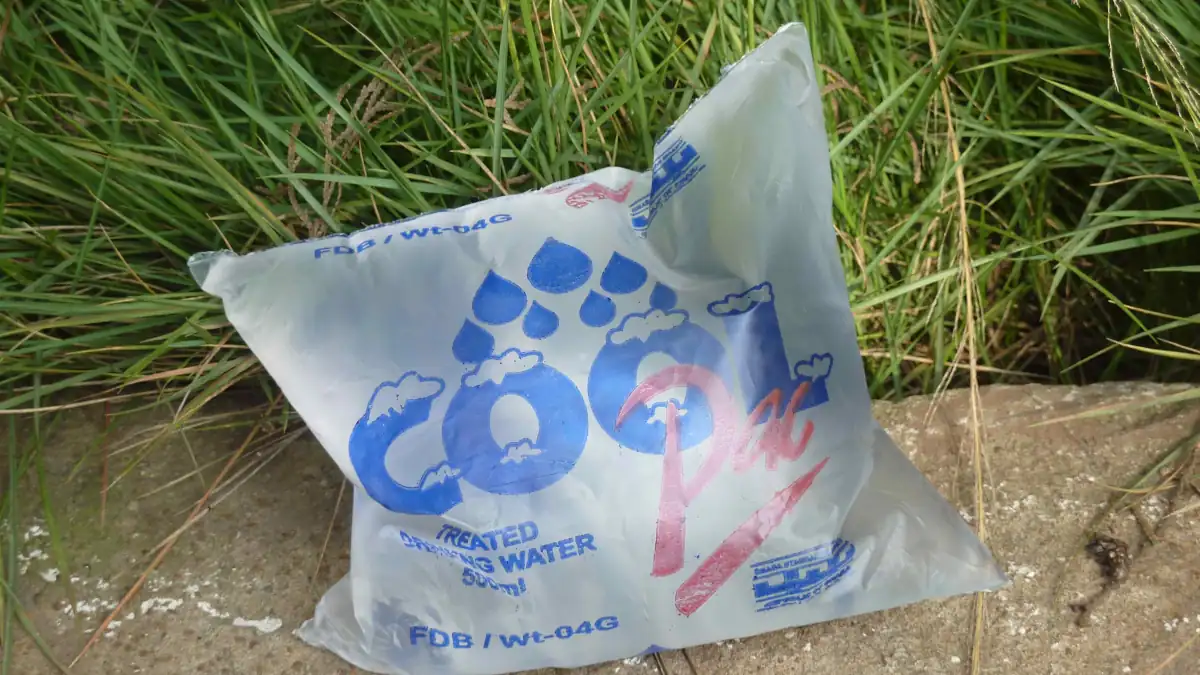
Senegal's Ministry of Industry and Commerce, led by Minister Serigne Guèye Diop, issued an alert on July 6 regarding the widespread sale of clandestinely produced water and beverage sachets. These products are being manufactured in informal markets and circuits, bypassing official controls for months, according to various official observations. The issue highlights a significant public health concern, as water sold on sidewalks in Dakar, for instance, is not subject to any oversight. The proliferation of these uncertified goods raises questions about regulatory effectiveness and consumer safety across the region. The alert suggests a potential need for enhanced regional cooperation and stricter enforcement measures to combat the illicit trade of beverages. This situation underscores the challenges faced by authorities in monitoring and controlling informal economic activities that can pose health risks. The ministry's warning serves as a call to action for neighboring countries to assess and potentially strengthen their own surveillance systems for similar products. The long-term implications for public health and the formal beverage industry are significant if this trend continues unchecked.
The proliferation of uncertified beverage sachets in informal markets presents a complex challenge involving public health, economic regulation, and consumer protection. While the immediate concern is the potential health risks associated with unregulated production, the situation also reflects broader issues of informal economies and the capacity of state institutions to enforce standards. The alert from Senegal's Ministry of Industry and Commerce highlights a systemic vulnerability where clandestine operations can thrive, potentially undermining legitimate businesses and posing risks to consumers. Regional vigilance is crucial, as such illicit trade often crosses borders, necessitating coordinated efforts in monitoring and enforcement. The long-term implications may involve adapting regulatory frameworks to better address informal production, exploring public-private partnerships for quality control, and considering the socio-economic factors that drive consumers and producers towards informal channels.
AI-generated to prompt reflection — not editorial opinion, not advice, not a statement of fact. How this works.