Senegal's World Cup 2026 Exit Highlights Africa's Long-Term Challenges
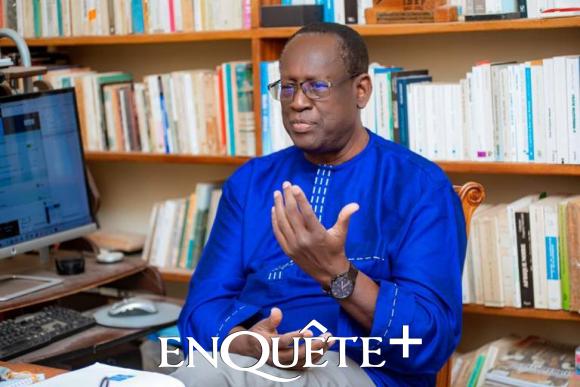
Senegal's elimination from the 2026 World Cup in the Round of 16 against Belgium, with a score of 3-2, serves as a stark illustration of the persistent challenge of long-term sustainability in Africa. This outcome, extending beyond the immediate sporting event, points to deeper structural obstacles that affect not only football but also broader developmental efforts across the continent. An analysis by EnQuête+ delves into these systemic issues, suggesting that the difficulty in maintaining momentum and achieving sustained success is a recurring theme. The defeat underscores the need for a more robust and enduring approach to development and performance, moving beyond short-term gains. The analysis implies that these structural impediments require significant and sustained attention to overcome.
The Senegal national football team's early exit from the 2026 World Cup, despite a competitive performance, highlights a recurring pattern where African teams and development initiatives often struggle with long-term viability. This situation reflects broader systemic challenges related to infrastructure, investment continuity, and strategic planning that impact various sectors across the continent. The analysis suggests that while individual talent and short-term successes are evident, the underlying structures may not be sufficiently robust to support sustained high-level performance or development. Addressing these deep-seated issues will require a concerted, multi-decade strategy that fosters institutional capacity and ensures consistent resource allocation, moving beyond cyclical patterns of aspiration and disappointment.
AI-generated to prompt reflection — not editorial opinion, not advice, not a statement of fact. How this works.