Senegal Shines Internationally but Faces Domestic Social Crisis, Says Mamoudou Ibra Kane
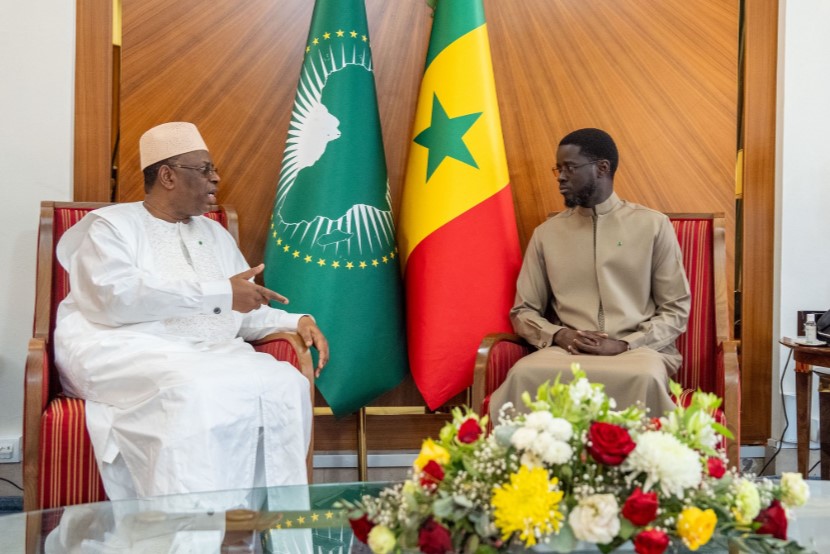
Mamoudou Ibra Kane, leader of the "Demain C’est Maintenant" movement, has presented a mixed assessment of Senegal's current situation. He highlights the nation's international diplomatic successes while simultaneously pointing to persistent domestic social challenges. Kane describes this as a dual reality for Senegal, characterized by triumphant diplomacy on one hand and a stagnant economy on the other. He stated that the country is regaining its international standing, but this progress is overshadowed by internal difficulties. The movement's leader intends to offer a comprehensive overview of these contrasting aspects of Senegal's development. He believes that while Senegal is performing well on the global stage, its internal social and economic issues require urgent attention. This dichotomy suggests a need for a balanced approach to governance, ensuring that international achievements translate into tangible improvements for the Senegalese people.
The statement by Mamoudou Ibra Kane presents a common governance challenge: the divergence between a nation's international prestige and its internal social and economic conditions. This situation often arises when external diplomatic gains or economic opportunities do not effectively trickle down to the general populace, potentially due to structural inequalities, inefficient resource allocation, or policy misalignments. In the context of global interconnectedness and the increasing visibility of domestic issues through digital media, leaders face pressure to demonstrate tangible improvements in citizens' quality of life, not just diplomatic victories. Future policy frameworks may need to prioritize integrated strategies that ensure international engagement directly supports domestic well-being, fostering a more cohesive national development trajectory.
AI-generated to prompt reflection — not editorial opinion, not advice, not a statement of fact. How this works.