Senegal: Sonko Criticizes Constitutional Reform Process, Accuses President of Manipulation
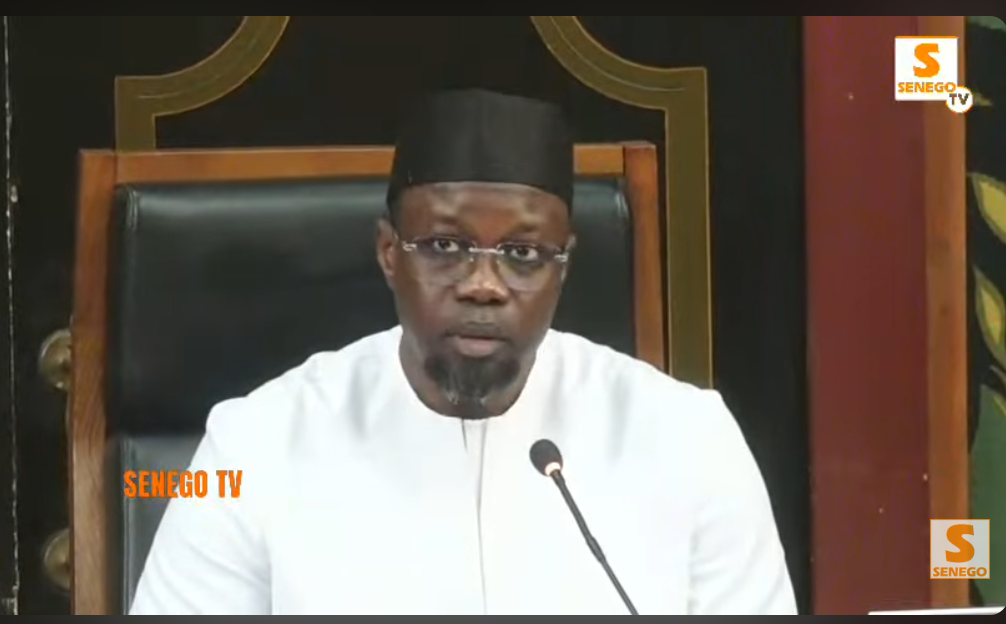
Following the National Assembly's adoption of a proposed constitutional revision, Ousmane Sonko has detailed the process leading to this reform. Sonko stated that the adopted text represents the culmination of a long-standing political commitment. However, he sharply criticized the changes made to the text, which he attributes to the President of the Republic. Sonko alleges that the President manipulated the process, deviating from the original intent of the reform. He claims that specific modifications were introduced without proper consultation or transparency. This situation has raised concerns about the integrity of the legislative process and the potential for political maneuvering. Sonko's remarks highlight a significant political disagreement regarding the constitutional changes and the methods employed in their finalization. The controversy underscores the ongoing political tensions in Senegal surrounding constitutional matters.
The legislative process surrounding constitutional amendments in Senegal appears to be a focal point of political contention. Ousmane Sonko's accusations of "tripatouillage" (manipulation) by the President suggest a potential divergence between the executive and legislative branches, or perhaps between different factions within the political landscape, regarding the final form of the constitutional text. Such disputes often stem from differing interpretations of public mandate, institutional power dynamics, and the perceived legitimacy of proposed changes. In the context of evolving governance structures and the increasing influence of technology on political discourse, ensuring transparency and broad consensus in constitutional reforms becomes paramount. The long-term implications for Senegal's democratic institutions will depend on how these procedural concerns are addressed and whether mechanisms for accountability and public trust can be strengthened.
AI-generated to prompt reflection — not editorial opinion, not advice, not a statement of fact. How this works.