Senegal: Sonko Pushes Constitutional Reform, Limiting Presidential Power
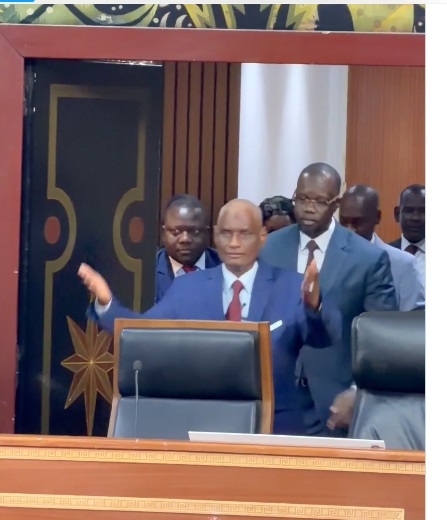
In Senegal, a significant constitutional reform aimed at curbing presidential powers is being accelerated by Ousmane Sonko. This initiative seeks to end the era of hyper-presidentialism, where the head of state held extensive authority. Sonko has stated that the current president, Bassirou Diomaye Faye, will not be able to alter even a single 'comma' of the text once it is adopted. This suggests a deliberate effort to institutionalize a reduction in executive power, making it difficult for future presidents to reverse the changes. The reform is set to be submitted for a referendum, a crucial step in its formal adoption. The move signals a potential shift in Senegal's political landscape, moving towards a more balanced distribution of power within the government structure. This development is being closely watched as it could set a precedent for democratic governance in the region.
This constitutional reform in Senegal appears designed to institutionalize a reduction in executive overreach, a common challenge in many presidential systems. By locking in the text before a potential change in leadership or a shift in political will, the architects of this reform aim to create a durable check on presidential power. This strategy, while potentially enhancing democratic accountability, also raises questions about the flexibility of governance in responding to evolving national needs. The reliance on a referendum highlights the importance of public consensus in enacting such fundamental changes. Future governance models may need to balance the need for stable institutions with the capacity for adaptive policy-making in the face of unforeseen circumstances.
AI-generated to prompt reflection — not editorial opinion, not advice, not a statement of fact. How this works.