Senegal to Bypass Referendums for Constitutional Reforms, Minister Announces
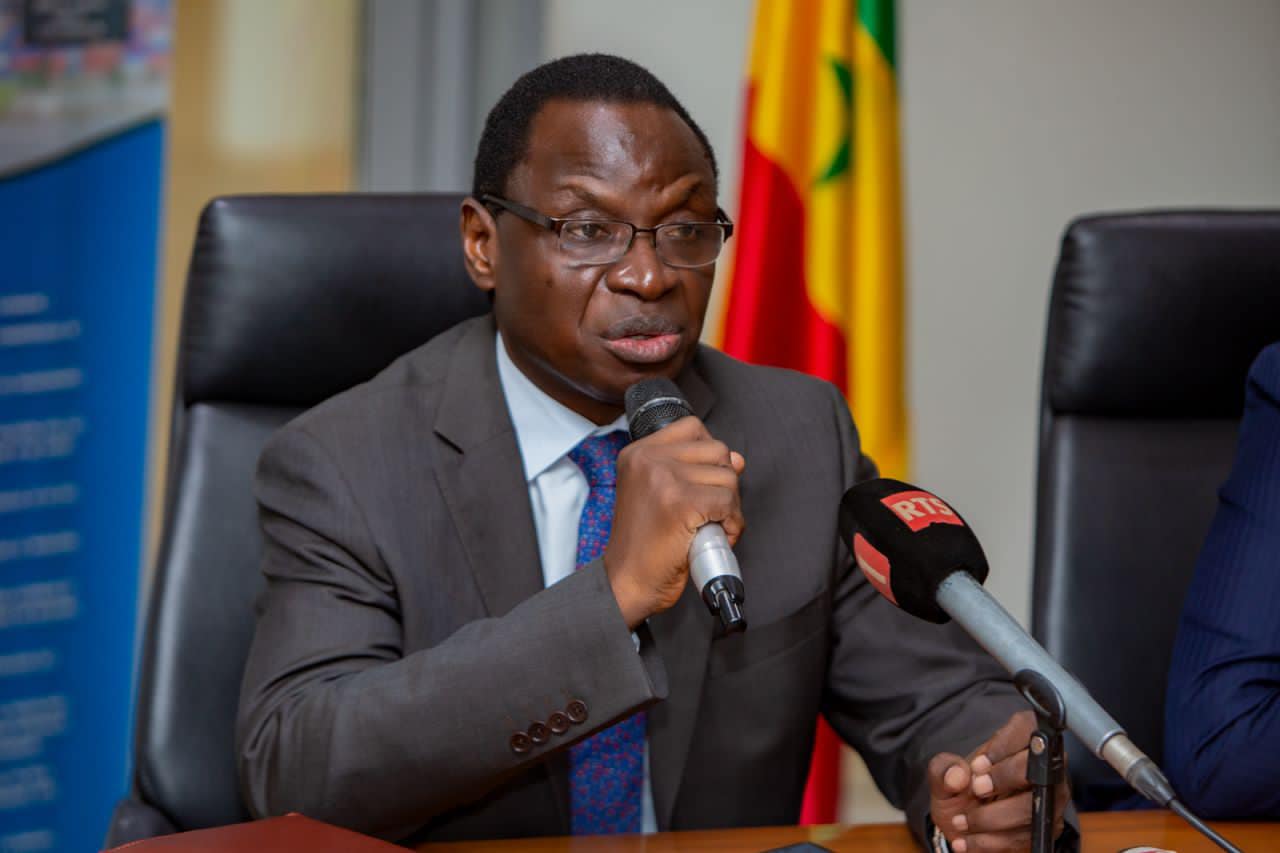
Senegal's Minister of Industry and Commerce, Serigne Gueye Diop, announced on Sunday that the government will no longer use referendums for constitutional reforms proposed by President Bassirou Diomaye Faye. Speaking on the "Grand Jury" program, Diop stated that future constitutional projects will instead follow the standard legislative process. This marks a significant shift in how constitutional amendments will be handled in the country. The decision appears to move away from direct popular votes towards parliamentary procedures for such matters. The minister emphasized that the era of constitutional referendums is now behind Senegal. This change is expected to streamline the process of enacting constitutional changes under the current administration.
The shift from constitutional referendums to legislative procedures in Senegal, as announced by Minister Serigne Gueye Diop, represents a procedural adjustment that could alter the dynamics of political reform. While referendums offer direct public engagement, they can also be subject to populist pressures or logistical complexities. Employing the legislative route may allow for more controlled deliberation and amendment within parliamentary bodies, potentially leading to more refined legal text. However, this approach might also reduce the direct mandate from the electorate on significant constitutional changes, potentially concentrating power within the legislature and executive. Future governance will likely balance the efficiency of legislative action with the democratic legitimacy derived from broader public consultation.
AI-generated to prompt reflection — not editorial opinion, not advice, not a statement of fact. How this works.