Senegalese Football Federation Files Defamation Lawsuit Over World Cup 2026 Article
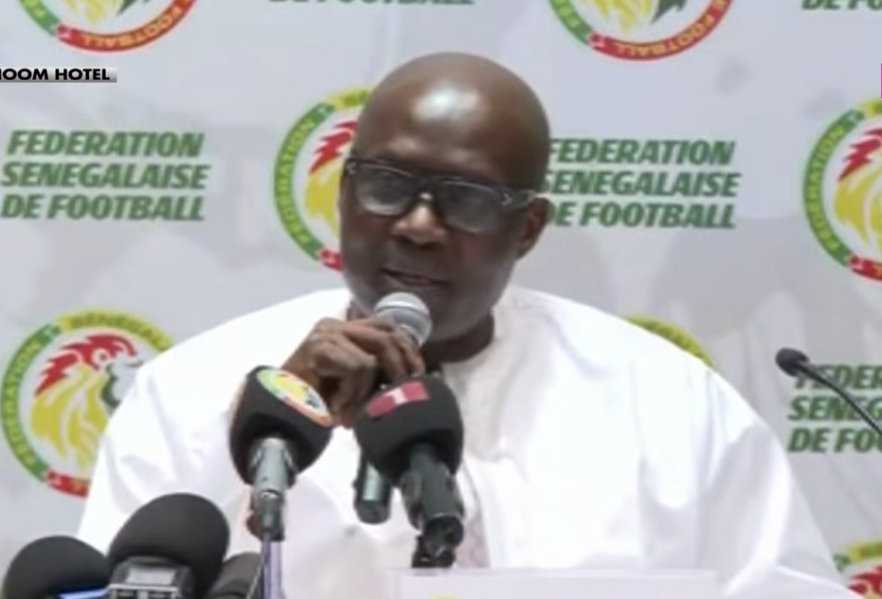
The Senegalese Football Federation (FSF) has announced that it has filed a criminal complaint with the public prosecutor. This action follows the publication of an article that allegedly made serious accusations against its leaders concerning the 2026 World Cup. The FSF is denouncing what it considers defamatory statements and is seeking to identify and prosecute the authors of the article. The federation intends to pursue legal action to clear the names of its officials and uphold its reputation. The specific details of the accusations made in the article have not been fully disclosed, but they are described as severely compromising the integrity of the FSF's leadership. This legal move signals the federation's strong stance against what it perceives as malicious reporting and its commitment to protecting its members from unfounded allegations. The FSF aims to ensure accountability for the dissemination of false information and to prevent future occurrences of such damaging reporting.
The FSF's legal action highlights the increasing tension between sports organizations and media scrutiny, particularly concerning major international events like the World Cup. Such disputes often stem from differing interpretations of facts, alleged conflicts of interest, or accusations of mismanagement. The federation's recourse to legal channels, specifically for defamation and fake news, suggests a strategy to control the narrative and deter future critical reporting by imposing potential legal and reputational costs on media outlets. This approach, while legally permissible, can sometimes create a chilling effect on investigative journalism. Moving forward, navigating such situations will require a delicate balance between transparency, accountability, and the protection of reputations, potentially through more robust internal governance and communication protocols that preemptively address potential concerns.
AI-generated to prompt reflection — not editorial opinion, not advice, not a statement of fact. How this works.