Senegalese Journalist: Diomaye Faye's New Party Continues Political Battle with Sonko
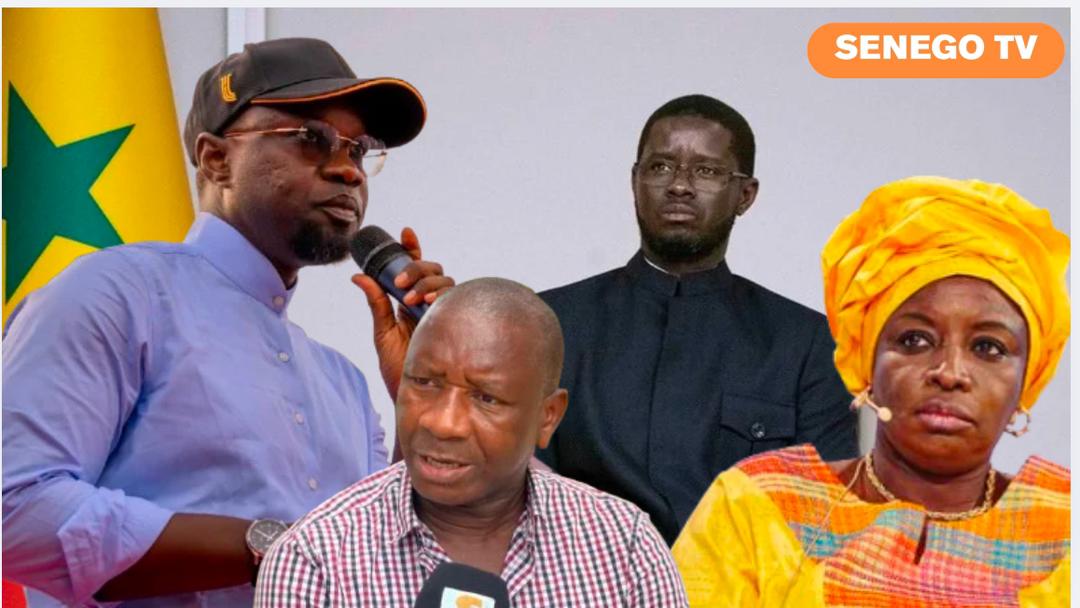
Bakary Domingo Mané, a journalist, trainer, and political analyst, stated on Senego that President Bassirou Diomaye Faye's announcement of a new political party signifies not a beginning, but rather a continuation of an ongoing political struggle. This struggle is characterized by the established dynamic with Ousmane Sonko, who had previously initiated the distribution of membership cards for his own political movement. Mané's perspective suggests that the formation of Faye's party is an extension of existing political rivalries and strategies within Senegal's political landscape. The analyst emphasized that the move is a strategic maneuver within a larger, pre-existing political contest. This development is seen as a direct consequence of the political positioning and actions taken by both Faye and Sonko. The creation of the new party is interpreted as a tactical step in the ongoing competition for political influence and support in Senegal. Mané's commentary highlights the interconnectedness of political formations and their leaders in the country. The analyst's view underscores the persistent nature of political competition, framing Faye's party as a new chapter in an established narrative.
The formation of a new political party by President Bassirou Diomaye Faye, as interpreted by analyst Bakary Domingo Mané, suggests a strategic continuation of existing political rivalries rather than a novel political beginning. This framing points to the enduring influence of Ousmane Sonko and the established dynamics within Senegalese politics. From a systems perspective, such party realignments can be viewed as responses to evolving political landscapes and the need to consolidate power bases or adapt to new leadership realities. The analyst's observation prompts consideration of how political actors navigate succession and continuity in leadership, particularly within established movements. This may reflect broader trends in political organization where party structures are leveraged to maintain influence and pursue long-term objectives, even amidst leadership transitions or shifts in political alliances. The underlying incentive structures likely involve solidifying support, managing internal party factions, and positioning for future electoral contests.
AI-generated to prompt reflection — not editorial opinion, not advice, not a statement of fact. How this works.