Senegalese journalist slams national team coach Pape Thiaw after World Cup qualifying loss
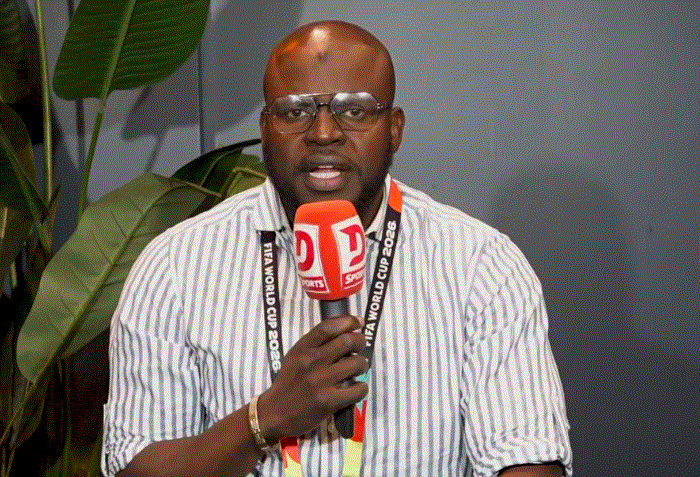
Senegal's ongoing string of losses in the 2026 World Cup qualifiers is fueling public discussion. Sports journalist Mbaye Sène has strongly criticized the decisions made by the national team's coach, Pape Thiaw, holding him primarily responsible for the Lions' current struggles. Speaking on Dsport following the team's defeat against Norway, Sène detailed his grievances with Thiaw's coaching strategy. The journalist believes Thiaw's choices have directly contributed to the team's poor performance and subsequent losses. This criticism comes as Senegal faces increasing pressure to improve its standing in the qualifying tournament. The team's inability to secure victories has become a significant concern for fans and analysts alike. Sène's comments highlight a growing dissatisfaction with the current leadership and tactical approach of the national squad.
The commentary surrounding the Senegalese national football team's performance highlights a common dynamic where coaching decisions are scrutinized following a series of defeats. From a systems perspective, the pressure on a national team coach is immense, balancing player selection, tactical strategy, and performance under intense public and media observation. The journalist's strong critique suggests a potential disconnect between the coach's strategy and the team's execution, or perhaps underlying issues in player development and team cohesion. Evaluating coaching effectiveness often involves examining long-term trends, adaptability to different opponents, and the ability to integrate new talent, rather than solely focusing on isolated match results. The public discourse, while passionate, can benefit from a deeper analysis of the structural factors influencing team performance, including the competitive landscape of international football and the efficacy of the national football federation's support systems.
AI-generated to prompt reflection — not editorial opinion, not advice, not a statement of fact. How this works.