Senegalese Media Crisis: Political Interests Shape Editorial Content Amidst Financial Woes
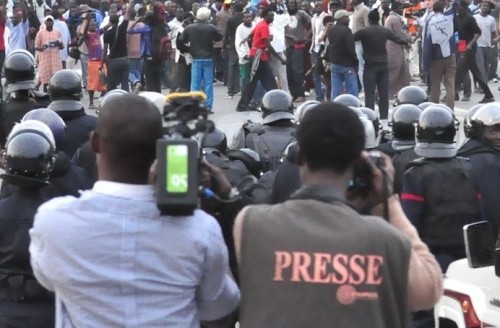
The Senegalese press is experiencing an unprecedented crisis marked by unpaid salaries, political interference, and ethical breaches. This challenging environment has led to a significant decline in press freedom, with Senegal dropping from 49th to 94th place in the Reporters Without Borders (RSF) press freedom index. The political interests within the country are reportedly dictating the editorial lines of media outlets. This situation raises concerns about the independence and integrity of journalism in Senegal. The financial instability faced by journalists, including delayed or unpaid wages, further exacerbates the crisis. The confluence of economic hardship and political pressure creates a complex landscape for media professionals.
The reported decline in Senegal's press freedom ranking from 49th to 94th, alongside allegations of political influence over editorial content and issues like unpaid salaries, suggests a systemic challenge to journalistic independence. This situation may stem from an interplay of economic vulnerabilities within media organizations and external pressures from political actors seeking to shape public discourse. Such dynamics can erode public trust and hinder the media's role as a vital check on power. Looking ahead, fostering a media environment where financial sustainability is decoupled from political favor, potentially through diversified funding models or stronger regulatory frameworks for media ownership, will be crucial for safeguarding democratic principles and informed public debate in the digital age.
AI-generated to prompt reflection — not editorial opinion, not advice, not a statement of fact. How this works.