Senegalese MP Abdou Mbow Warns Labor Code Reforms Threaten the World of Work
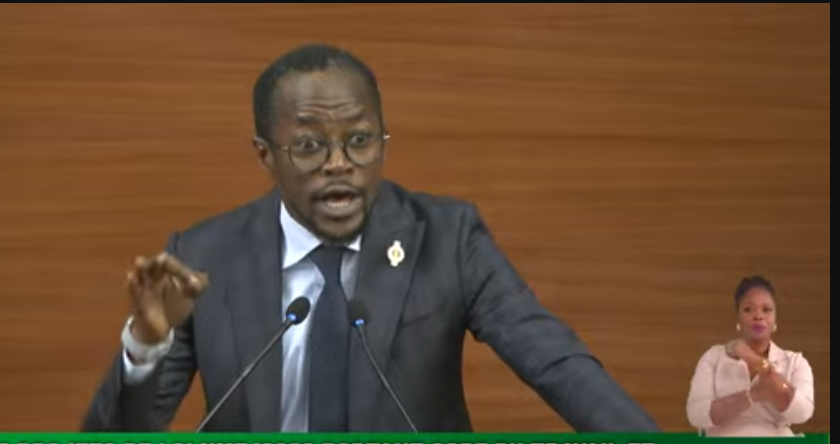
During the review of proposed Labor Code and Social Security Code bills, which were ultimately sent back to committee, Senegalese Deputy Abdou Mbow strongly advocated for his preliminary objection. Mbow accused the government of attempting to impose legislation that is opposed by a segment of social partners due to a lack of consensus. He argued that examining these texts would effectively 'kill the world of work.' The debate highlighted significant disagreements between the government and certain stakeholders regarding the proposed changes to labor and social security regulations. The decision to return the bills to committee suggests a need for further deliberation and negotiation to achieve broader agreement among all parties involved.
The Senegalese government's push for new labor and social security codes, despite opposition from some social partners, indicates a potential tension between modernization goals and established stakeholder interests. The deputy's strong reaction suggests that the legislative process may be perceived as bypassing crucial consensus-building, potentially leading to future implementation challenges. This situation highlights the delicate balance governments must strike between enacting policy reforms aimed at economic efficiency and ensuring social cohesion and buy-in from affected sectors. The next decade's focus on adaptive labor markets and social safety nets will likely scrutinize such top-down approaches, emphasizing the need for inclusive dialogue to foster resilient and equitable workforce development.
AI-generated to prompt reflection — not editorial opinion, not advice, not a statement of fact. How this works.