Senegalese PM Calls for African Focus on Inclusion and Impact at Social Economy Forum
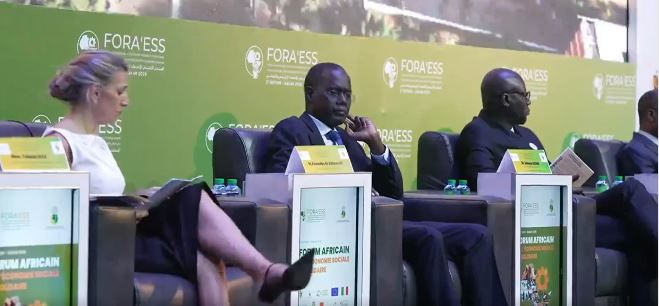
Senegalese Prime Minister Ahmadou Al Aminou Mohamed Lo presided over the second edition of the African Forum for Social and Solidarity Economy (FORA’ESS 2026) in Dakar. The forum's theme was "The Social and Solidarity Economy, a Driver of Transition, Inclusion, and Convergence in Africa." The opening ceremony was attended by numerous dignitaries and representatives from various sectors. Prime Minister Lo emphasized the critical role of the social and solidarity economy in fostering inclusive growth and sustainable development across the African continent. He urged African nations to prioritize policies that support and expand this economic model. The event aimed to bring together stakeholders to discuss strategies for leveraging the social economy to address key developmental challenges and promote greater economic convergence. Discussions likely focused on innovative approaches to social entrepreneurship, impact investing, and collaborative economic initiatives. The forum served as a platform for knowledge sharing and partnership building among African countries and international organizations interested in advancing the social economy.
The Senegalese Prime Minister's call for Africa to prioritize the social and solidarity economy highlights a growing global recognition of alternative economic models. This approach, focusing on social impact and inclusion alongside financial returns, presents a potential counterpoint to traditional profit-driven capitalism. The emphasis on "transition, inclusion, and convergence" suggests a strategic intent to harness these principles for broader societal and economic development goals. As AI continues to reshape labor markets and economic structures, economies that integrate social well-being and equitable distribution may prove more resilient and adaptable in the long term. However, the effectiveness of such initiatives will depend on robust governance frameworks, access to capital, and supportive policy environments that can scale these models beyond niche applications.
AI-generated to prompt reflection — not editorial opinion, not advice, not a statement of fact. How this works.