Senegalese President Faye Urges Germany to Boost Investment in Senegal
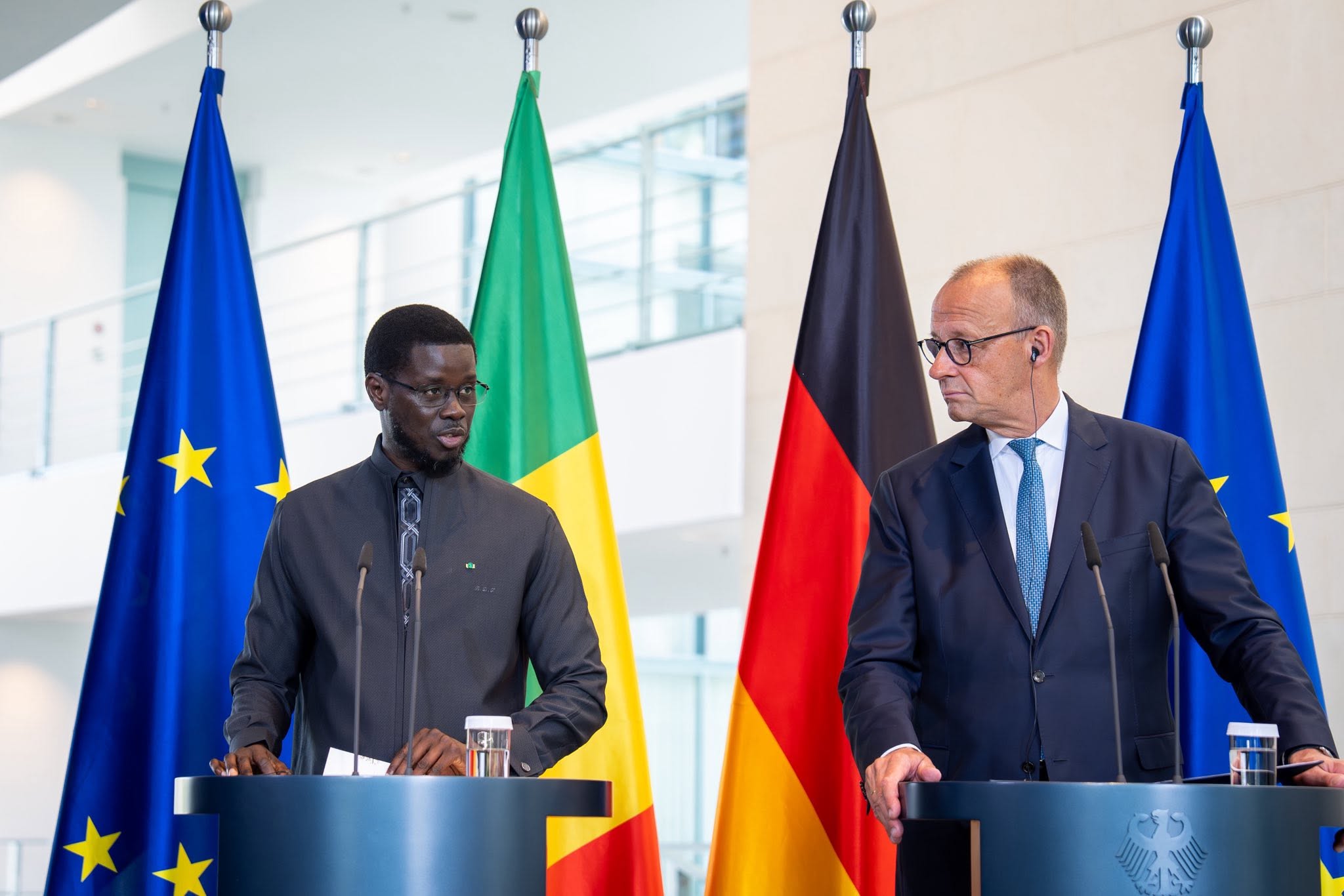
On Tuesday, June 23, 2026, in Berlin, the President of Senegal, Bassirou Diomaye Faye, met with the Federal Chancellor of Germany, Friedrich Merz. Both leaders acknowledged the strength of their long-standing relationship, which is characterized by warm friendship and mutual respect. This bond has been cultivated since the early years of their diplomatic ties. President Faye extended an invitation to Germany to increase its investments in Senegal, signaling a desire for enhanced economic cooperation between the two nations. The meeting aimed to further solidify bilateral relations and explore avenues for greater collaboration. Discussions likely covered areas of mutual interest, including economic development, trade, and potential partnerships. The Senegalese presidency's outreach to Germany underscores the importance of international partnerships for national growth and development. Chancellor Merz's engagement reflects Germany's continued commitment to fostering relationships with African nations.
The meeting between President Faye and Chancellor Merz highlights Senegal's strategic approach to attracting foreign direct investment, particularly from established European economies. By emphasizing the historical strength of bilateral relations, Senegal aims to leverage existing goodwill for economic gain. This initiative aligns with broader trends of African nations seeking diversified partnerships to fuel development and reduce reliance on single economic blocs. Germany, in turn, may view increased investment in Senegal as an opportunity to expand its economic influence and secure access to resources and markets, while also potentially addressing migration pressures through economic development. The long-term success of such investments will depend on factors such as regulatory stability, infrastructure development, and the mutual benefit derived from these economic exchanges within the evolving global landscape.
AI-generated to prompt reflection — not editorial opinion, not advice, not a statement of fact. How this works.