Senegalese Religious Leader Defends Judicial Competence Amidst Controversy
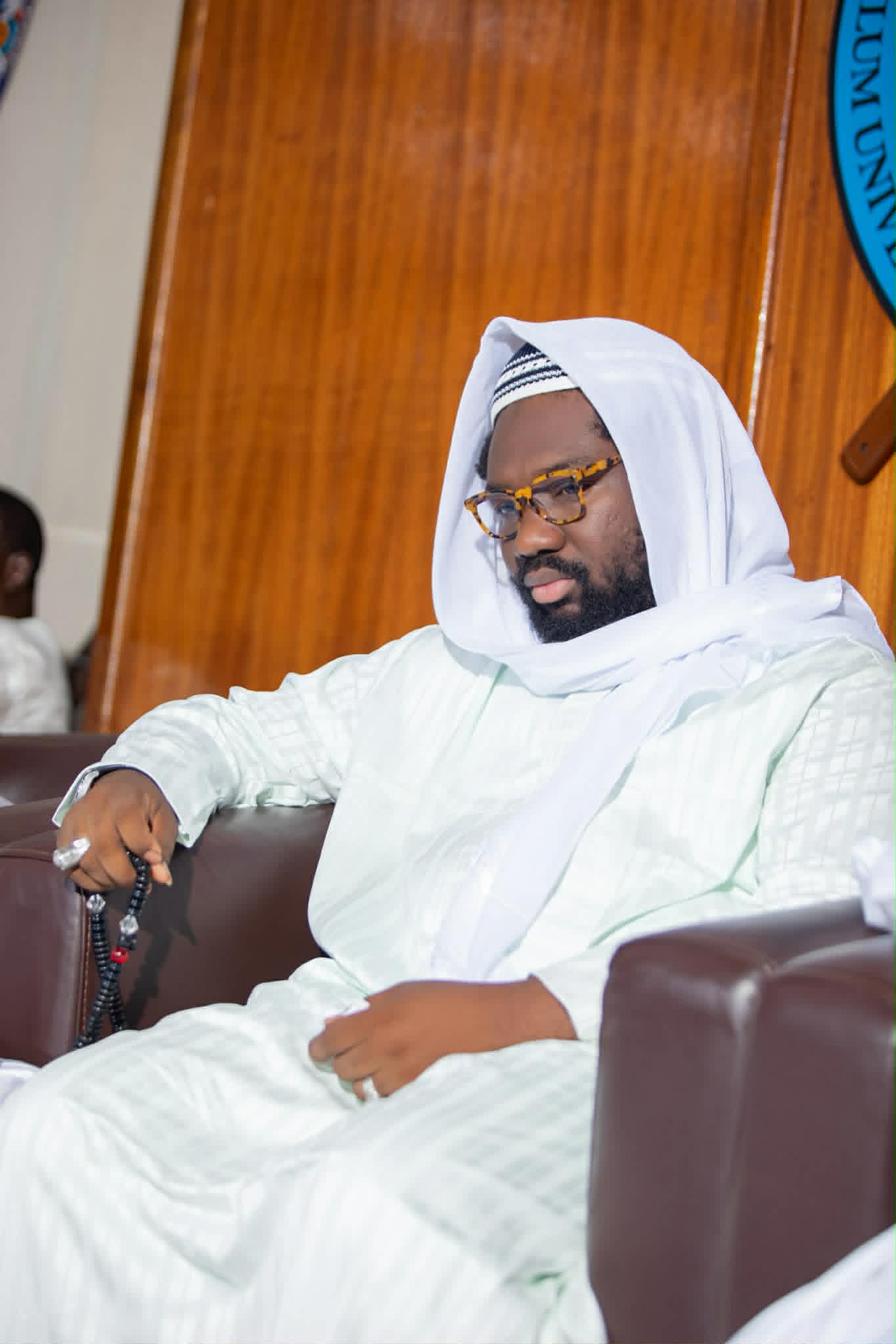
Cheikh Ibrahima Ibn Cheikh Mouhyidine Diallo, the Khalife of Madinatoul Dieylani, has sparked significant debate with his recent remarks. During the 10th annual conference of the Dahira Baladil Amine at UCAD, Diallo stated that "Senegalese magistrates are competent." This declaration from the religious leader is not without its context and appears to be a considered statement. His intervention at the conference, a significant annual gathering for the Dahira Balagain, has drawn attention from various quarters within Senegal. The conference itself is a platform for discussions and reflections within the religious community and beyond. Diallo's assertion comes at a time when public discourse in Senegal often involves scrutiny of its institutions, including the judiciary. The Khalife's words carry weight due to his position as a prominent religious figure. His defense of the magistrates' competence suggests a belief in their capabilities and integrity, potentially aiming to counter prevailing doubts or criticisms. The full implications of his statement and the reactions it continues to generate are still unfolding.
The statement by Cheikh Ibrahima Ibn Cheikh Mouhyidine Diallo, a prominent religious figure, offers a perspective on the competence of Senegalese magistrates. This intervention can be viewed within the broader context of public trust in judicial systems. Religious leaders often play a role in shaping public opinion and can influence perceptions of state institutions. Diallo's affirmation of judicial competence may serve to bolster confidence in the legal framework, potentially counteracting narratives of systemic failure or corruption. From a governance standpoint, such endorsements can be significant, especially in societies where religious authority holds considerable sway. The long-term impact of such statements depends on whether they are accompanied by demonstrable improvements in judicial processes and outcomes, reflecting the evolving expectations of citizens in an era increasingly focused on accountability and transparency.
AI-generated to prompt reflection — not editorial opinion, not advice, not a statement of fact. How this works.