Senegalese Study: 75% of Agri-Food Businesses Led by Women Face Funding and Green Transition Challenges
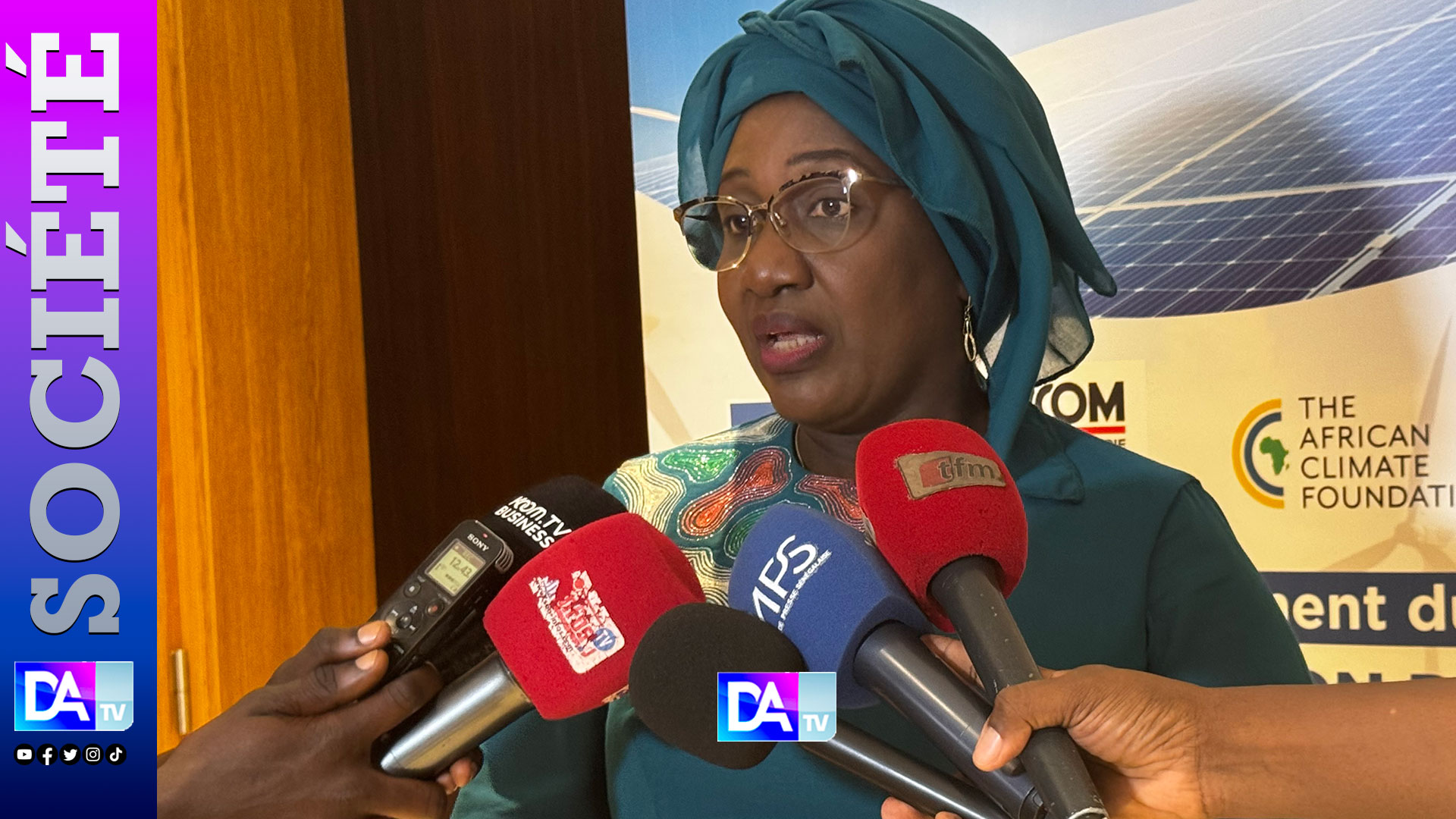
A recent study conducted by Senegal's Bureau de Mise à Niveau (BMN) has revealed that a significant majority, approximately 75%, of agri-food businesses in the country are led by women or have a strong female workforce. Despite this strong female leadership, these enterprises are encountering substantial difficulties in securing adequate funding and financing their necessary transition towards greener operational practices. The BMN's findings highlight a critical bottleneck for these women-led businesses within the vital agri-food sector. The report underscores the need for targeted support mechanisms to help these businesses overcome financial hurdles and implement sustainable, environmentally friendly initiatives. Addressing these challenges is crucial for the continued growth and success of Senegal's agri-food industry, particularly in empowering its female entrepreneurs.
This study from Senegal's BMN illuminates a common global challenge: women entrepreneurs, while often leading businesses in vital sectors like agri-food, face disproportionate barriers to capital and sustainable development financing. The high percentage of female leadership suggests strong entrepreneurial drive and capability within this demographic. However, the identified struggles with procurement and green transition funding point to systemic issues in financial access and support infrastructure. Future policy interventions could focus on de-risking investments in women-led SMEs, developing tailored green finance products, and strengthening supply chain linkages to ensure these businesses can not only survive but thrive and contribute fully to economic and environmental goals over the next decade.
AI-generated to prompt reflection — not editorial opinion, not advice, not a statement of fact. How this works.