Seoul Approves 28-Story, 2,120-Unit Redevelopment for Gu-ryong Village
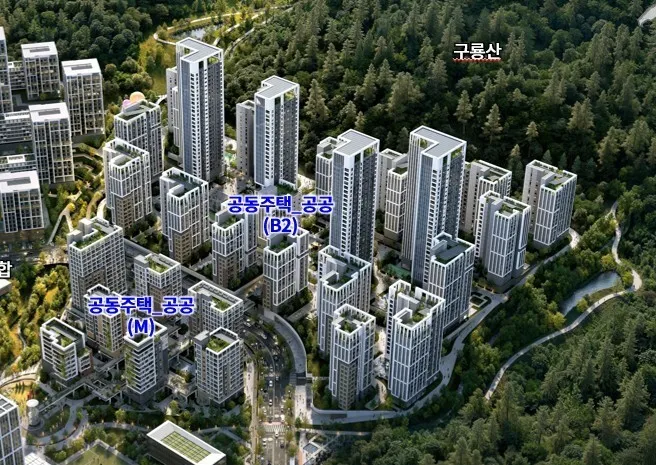
Seoul Metropolitan Government has finalized plans to redevelop Gu-ryong Village, a low-income settlement in Seoul's Gangnam District. The approved plan includes the construction of up to 28 stories and a total of 2,120 housing units. This marks a significant step forward for the long-delayed project, which aims to transform the area into a modern residential complex. However, the crucial aspect of ensuring 100% resettlement for the original residents remains uncertain.
Details of the redevelopment project were confirmed by the city government, outlining the scale and scope of the new development. The project has faced numerous delays and challenges over the years, primarily concerning the rights and relocation of the existing residents. While the construction of new housing is set to proceed, the mechanism and guarantee for all current inhabitants to return to the redeveloped area are still under discussion and have not been fully secured. This uncertainty casts a shadow over the project's social equity implications, despite the physical transformation of the neighborhood.
The city's approval signifies a commitment to urban renewal, but the practical implementation regarding the original residents' housing security will be a key factor in the project's ultimate success. The government will need to address the concerns of the Gu-ryong Village community to ensure a just and equitable transition.
The approval of the Gu-ryong Village redevelopment plan by the Seoul Metropolitan Government highlights a common tension in urban renewal projects between physical modernization and social equity. While the construction of new housing and increased density promises economic revitalization and improved urban infrastructure, the uncertainty surrounding the 100% resettlement of original residents raises questions about the project's distributive justice. Future urban development strategies will need to integrate robust mechanisms for resident participation and secure housing rights from the outset to mitigate potential displacement and ensure that the benefits of redevelopment are shared broadly, rather than exacerbating existing socioeconomic disparities.
AI-generated to prompt reflection — not editorial opinion, not advice, not a statement of fact. How this works.