Seoul Housing Completions Halved in First Half, Apartments Down 58%
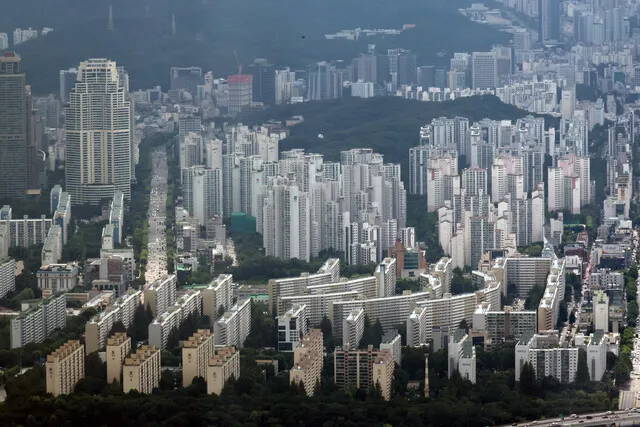
The number of housing units completed in Seoul during the first half of the year has been cut in half compared to the same period last year. Specifically, apartment completions saw a significant decrease of 58%. This sharp decline in new housing supply is expected to have implications for the city's real estate market. The reduction affects the overall availability of residential properties in the capital. The data highlights a substantial slowdown in construction and delivery of new homes. This trend could potentially impact housing prices and rental rates in Seoul. Further analysis will be needed to understand the full ramifications of this supply-side shock. The decrease in completions suggests potential challenges in meeting housing demand. The figures represent a significant shift in the pace of new housing development in Seoul.
The substantial reduction in Seoul's housing completions, particularly apartments, suggests a potential supply-side constraint impacting the city's real estate dynamics. This decrease may stem from various factors including construction costs, regulatory environments, or developer strategies. Over the next decade, such supply shortages could exacerbate affordability challenges, especially in a densely populated urban center. Policymakers may need to consider incentives or streamlined processes to encourage new construction. Alternatively, a sustained low supply could lead to increased property values, benefiting existing owners but potentially widening the wealth gap. Understanding the underlying causes of this slowdown is crucial for forecasting future housing market stability and accessibility.
AI-generated to prompt reflection — not editorial opinion, not advice, not a statement of fact. How this works.