Seoul Michelin-Starred Chef Faces Jail Time for Serving Ants
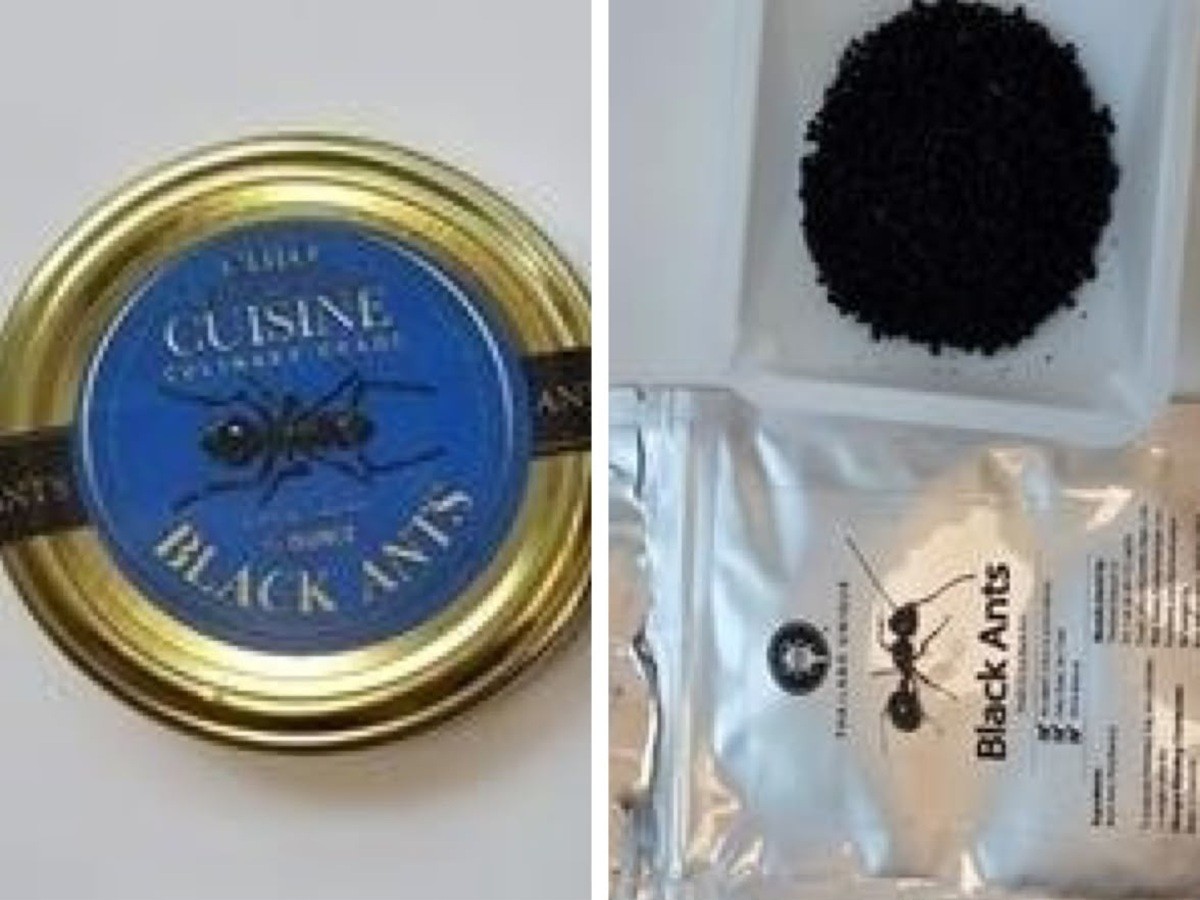
South Korean prosecutors are seeking a one-year prison sentence for the chef and representative of a two-Michelin-starred restaurant in Seoul. The establishment is accused of illegally serving dishes featuring ants as a topping. The prosecution also requested a fine of 20 million won (approximately R$ 68,000) for the company operating the restaurant. According to the indictment, the restaurant imported dehydrated ants from the United States and Thailand starting in 2021 and used them as a garnish on menu items for about four years. South Korean law permits the consumption of only ten specific insect species, and ants are not among them, making their use as an ingredient prohibited. The prosecution alleges that the restaurant sold over 12,200 portions of a sherbet-style ice cream dish containing ants, generating approximately 120 million won (around R$ 411,000) in revenue, with an estimated 49,000 ants used. The defense acknowledged most charges but disputed the quantity calculation, stating ants were not served to all customers and only about 60% accepted them. The defense also argued that the ants were a minor component of a 15-course tasting menu and pointed to international restaurants in Denmark, the UK, and Australia that use ants in their cuisine. The verdict is expected on September 2.
This case highlights the complex intersection of culinary innovation, regulatory frameworks, and public perception regarding novel food ingredients. While the restaurant aimed to push gastronomic boundaries, its actions appear to have contravened South Korean food safety and import regulations concerning insect consumption. The legal proceedings will likely clarify the specific statutes governing the use of non-approved insects in food service. The defense's arguments regarding international precedent and customer consent suggest a potential challenge to the strictness of current regulations, particularly in a globalized culinary landscape where ingredients and techniques are increasingly shared. The outcome may prompt a review of existing food laws to accommodate evolving gastronomic trends while ensuring consumer safety and compliance.
AI-generated to prompt reflection — not editorial opinion, not advice, not a statement of fact. How this works.