Serbia Silent on Red Mud Remediation Offers
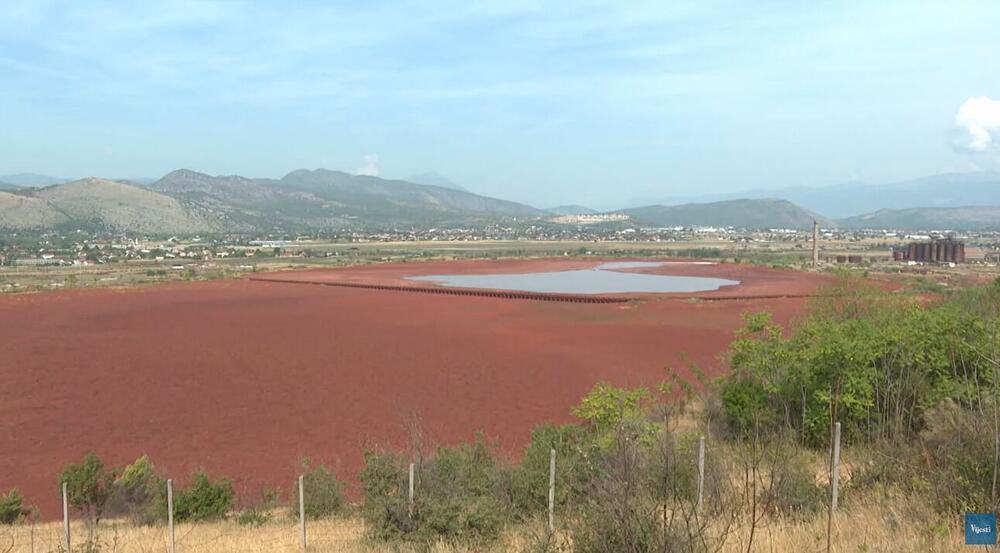
Despite announcements made late last year, the Serbian state has not yet responded to offers concerning the remediation of red mud. The state itself has expressed interest in undertaking this task. However, the government's silence persists, leaving potential solutions and investments in limbo. This inaction raises questions about the country's commitment to environmental cleanup and its approach to managing hazardous waste. Red mud, a byproduct of alumina production, poses significant environmental risks if not properly treated and stored. Several companies have reportedly submitted proposals to address the issue, but without state engagement, progress is stalled. The delay could lead to further environmental degradation and increased long-term costs for remediation. The situation highlights a potential disconnect between stated environmental goals and actual governmental action in Serbia. Further updates are anticipated regarding any official response or decision from the Serbian authorities on this critical environmental matter.
The Serbian government's protracted silence on red mud remediation proposals, despite expressed state interest and private sector offers, suggests potential bureaucratic inertia or a lack of clear strategic direction. This delay in addressing a known environmental hazard could indicate challenges in public procurement processes, inter-agency coordination, or a reassessment of remediation strategies. From a long-term perspective, such inaction may increase the financial and environmental burden, as hazardous materials can degrade infrastructure and ecosystems over time. Future policy decisions will likely need to balance immediate cleanup costs against the escalating risks of prolonged neglect, potentially influenced by evolving environmental regulations and international best practices in waste management.
AI-generated to prompt reflection — not editorial opinion, not advice, not a statement of fact. How this works.