Serbia Under Vučić: A 14-Year Review of Governance and State Capture
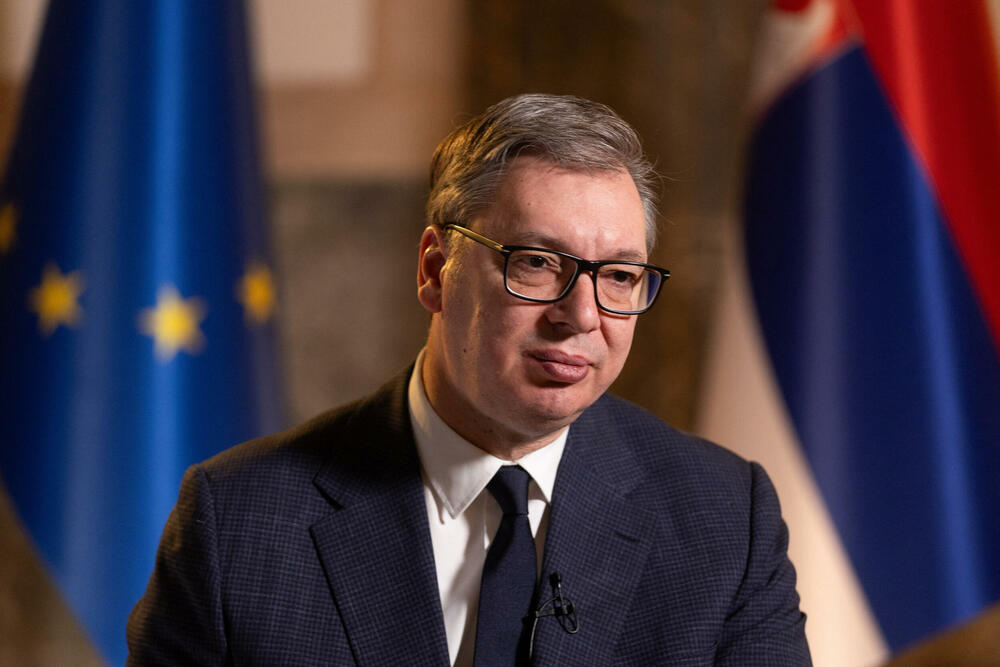
This article examines the 14-year tenure of Aleksandar Vučić in Serbia, exploring how the country has allegedly become a "captured state." The analysis delves into the political, economic, and social transformations that have occurred under his leadership. It aims to provide a comprehensive overview of the period, highlighting key decisions and their consequences for Serbia's development and democratic institutions.
The review covers the evolution of Serbia's governance structure and its impact on citizens' lives. It scrutinizes the mechanisms through which state institutions may have been influenced or controlled, potentially undermining their independence. The piece seeks to offer a balanced perspective on Vučić's time in power, considering both perceived achievements and criticisms regarding democratic norms and the rule of law.
This review of Aleksandar Vučić's 14-year leadership in Serbia offers a critical examination of state governance and institutional autonomy. The concept of a "captured state" suggests a potential divergence between formal democratic processes and the actual exercise of power, where vested interests may unduly influence policy and decision-making. Understanding the dynamics of power concentration and its effects on institutional checks and balances is crucial for assessing the long-term health of Serbia's democratic framework. Future analyses should consider how evolving geopolitical landscapes and economic pressures might interact with domestic governance structures, potentially shaping the trajectory of state capacity and citizen trust over the next decade.
AI-generated to prompt reflection — not editorial opinion, not advice, not a statement of fact. How this works.