Serbian Football's European Struggles Reflect Poor Governance
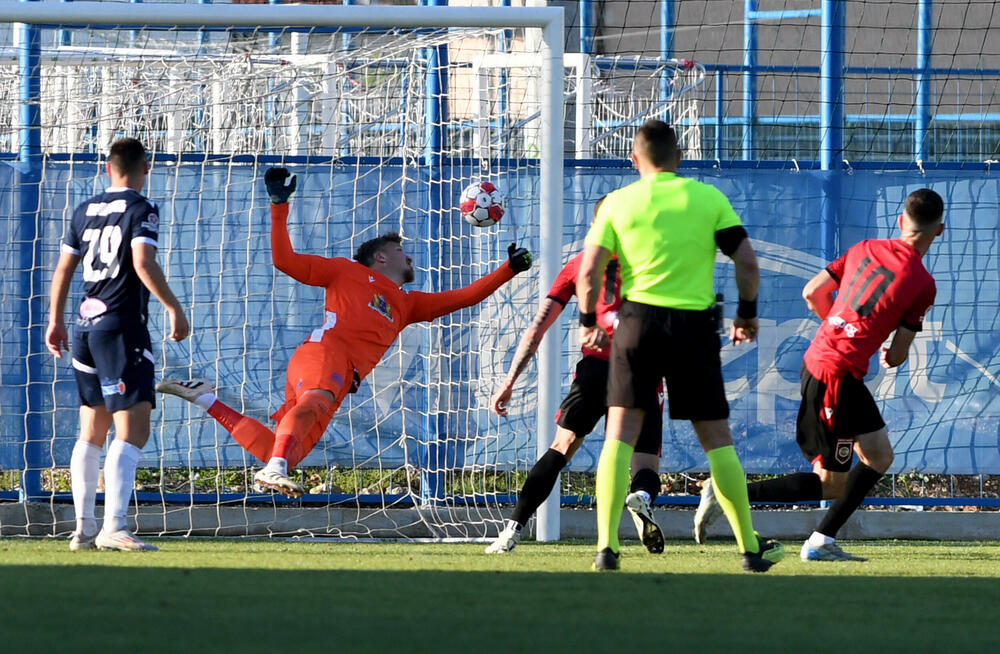
The performance of Serbian football clubs in European competitions serves as a direct indicator of the sport's health within the country, particularly when the national team isn't achieving extraordinary success. The current collective failure of these clubs on the European stage has therefore become the paramount issue for the governing body of Serbian football. This situation highlights a systemic problem that requires the Football Association of Serbia (FSS) to take responsibility and address the root causes of these disappointing results. The ongoing struggles suggest a need for significant reform and strategic planning to improve the overall quality and competitiveness of Serbian club football. Without decisive action from the FSS, the trend of poor European performance is likely to continue, impacting the reputation and development of football in Serbia.
The consistent underperformance of Serbian clubs in European football competitions suggests a potential disconnect between the Football Association of Serbia's (FSS) strategic objectives and the actual development of club-level talent and infrastructure. This pattern raises questions about the effectiveness of current governance structures, financial investment strategies, and youth development programs within the FSS. Addressing these systemic issues is crucial for fostering a more competitive domestic league and enhancing Serbia's standing in European football over the next decade. Future success will likely depend on transparent decision-making, robust long-term planning, and a commitment to modernizing football management practices.
AI-generated to prompt reflection — not editorial opinion, not advice, not a statement of fact. How this works.