Serbian Hydroelectric Plants Operating at Reduced Capacity Due to Drought
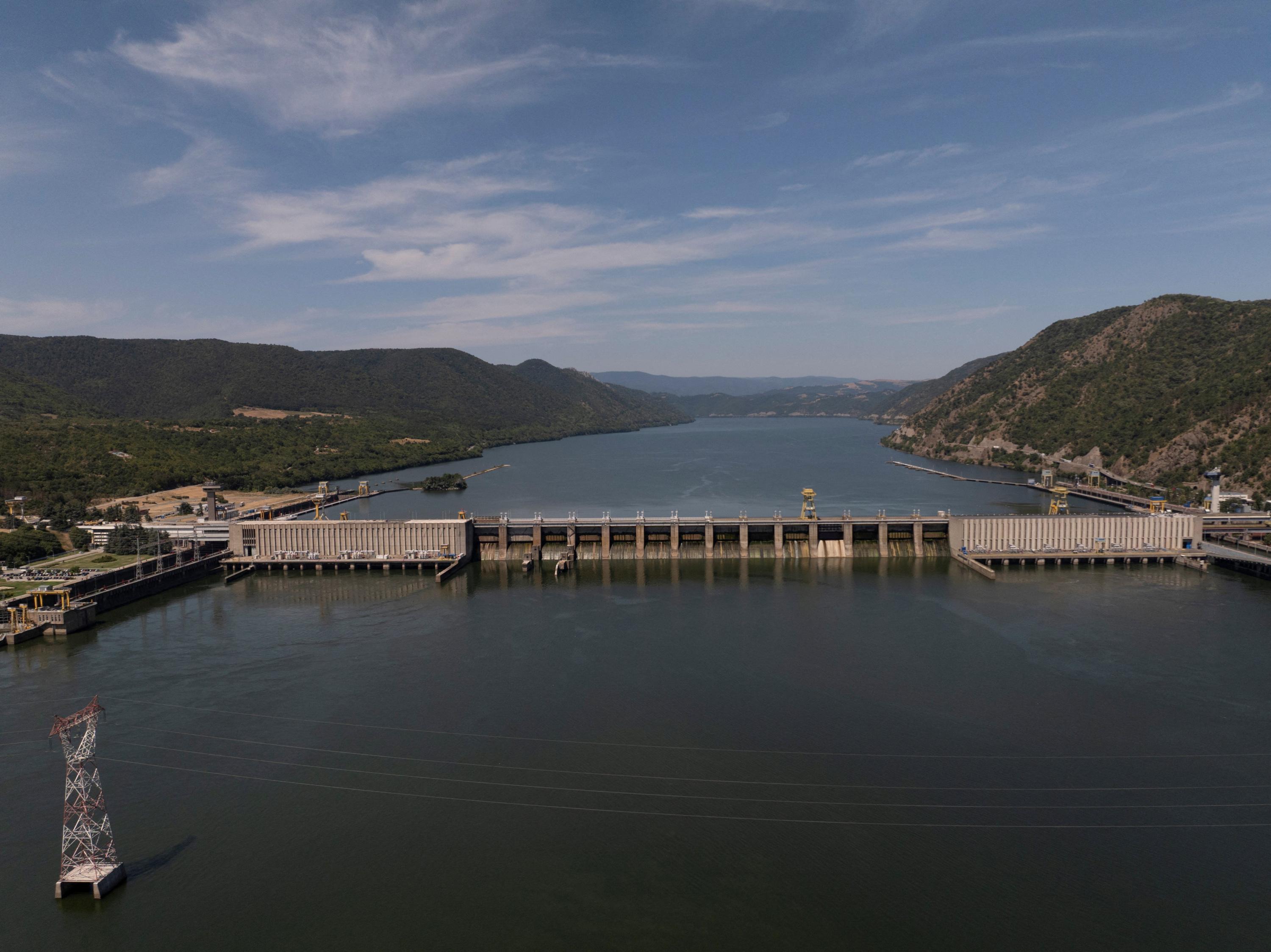
Prolonged precipitation deficits and extreme heat across Europe since spring have led to historically low water levels in the Danube River. Consequently, Serbia's hydroelectric power plants are experiencing significant reductions in their operational capacity, reportedly down to 20% of their usual output. This situation highlights the vulnerability of energy infrastructure to climate-induced water scarcity. The reduced power generation from these facilities could have implications for the national energy supply and potentially impact other sectors reliant on stable electricity. The extreme weather conditions affecting the region underscore the growing challenges posed by climate change to critical infrastructure.
The severe drought impacting Serbia's hydroelectric capacity illustrates a critical systemic vulnerability to climate change. As reliance on renewable energy sources like hydropower grows, their susceptibility to hydrological cycles becomes a significant concern for energy security. This event underscores the need for diversified energy portfolios and robust water management strategies to mitigate the effects of extreme weather. Future energy planning must account for increased climate volatility, potentially necessitating investments in energy storage or alternative generation methods to ensure grid stability.
AI-generated to prompt reflection — not editorial opinion, not advice, not a statement of fact. How this works.