Serbian Journalist: Inflation Outpaces Wages, Stagnating Living Standards
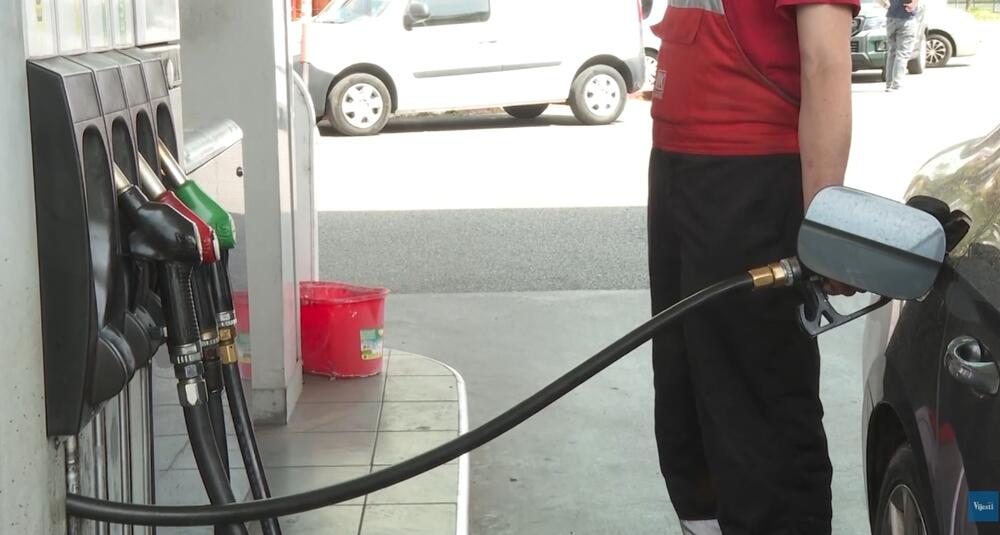
Milan Ćulibrk, an economic journalist from Serbia, stated that inflation, particularly for products like fuel, is increasing at a much faster rate than wages. This dynamic is effectively causing living standards to stagnate. Ćulibrk made these remarks during an interview with Televizija Vijesti. He highlighted that the average salary in Austria is nearly two and a half times higher than in Serbia, underscoring a significant economic disparity. The journalist's comments point to a concerning trend where the cost of essential goods is rising more rapidly than people's earnings, leading to a decline in real purchasing power. This situation implies that despite nominal wage increases, the actual ability of individuals to afford goods and services is diminishing. The comparison with Austria serves to further illustrate the economic challenges faced in Serbia, suggesting a considerable gap in economic prosperity and wage levels between the two countries.
The journalist's observation highlights a common macroeconomic challenge where inflationary pressures on essential goods, such as fuel, can outpace nominal wage growth. This disparity can lead to a decline in real wages and a stagnation of living standards, even if employment levels remain stable. The comparison with Austria's average salary suggests systemic differences in economic productivity, wage-setting mechanisms, and potentially fiscal policies between the two nations. Over the next decade, persistent inflation coupled with wage lag could exacerbate social inequalities and create pressure for policy interventions aimed at boosting real incomes and controlling price volatility. Understanding the drivers of this divergence—whether related to global supply chains, domestic monetary policy, or structural economic factors—will be crucial for addressing the issue.
AI-generated to prompt reflection — not editorial opinion, not advice, not a statement of fact. How this works.