Serbian opposition figure questions Vučić's stance on dictators
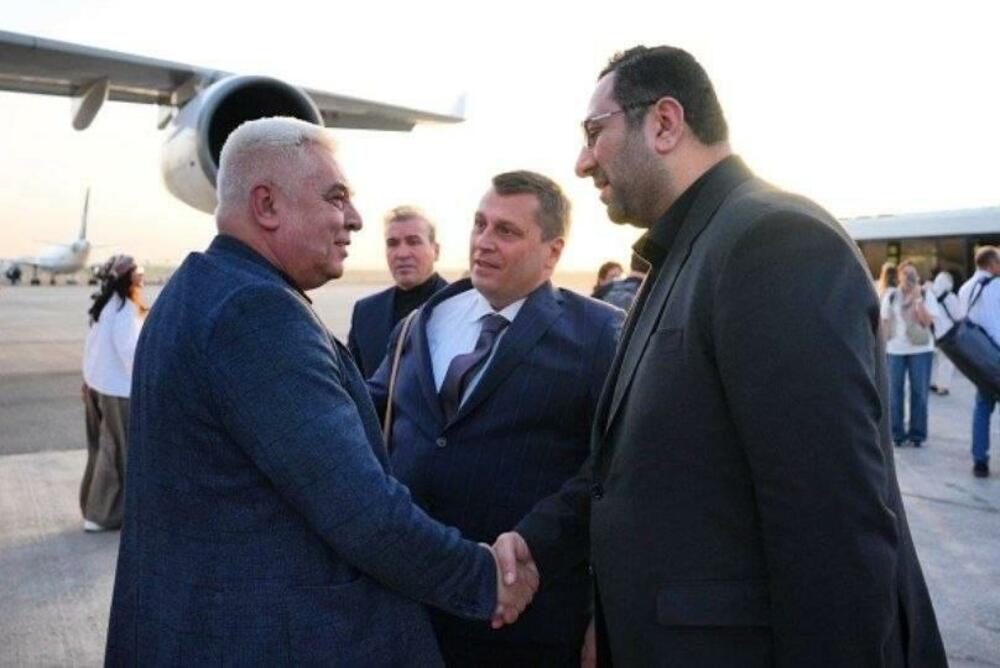
Branko Miljuš, a member of the Party of Freedom and Justice (SSP) Presidency, has criticized the Serbian government led by President Aleksandar Vučić. Miljuš stated that Vučić's administration shows respect for dictators who oppress, persecute, and kill their own citizens. He specifically cited the example of Ali Khamenei, suggesting that such leaders are tolerated even when their populations protest against electoral fraud or high prices. Miljuš implies a hypocrisy in the Serbian government's foreign policy or its approach to human rights, contrasting its apparent respect for authoritarian regimes with the struggles of people facing repression.
This statement raises questions about the Serbian government's foreign policy alignment and its engagement with international human rights norms. By drawing a parallel between President Vučić's administration and its perceived respect for authoritarian figures like Ali Khamenei, the opposition figure highlights a potential contradiction. This critique invites consideration of Serbia's geopolitical positioning and its commitment to democratic values. Examining the incentives driving Serbia's relationships with various global actors, particularly in the context of regional stability and economic partnerships, could illuminate the underlying strategic considerations. Future developments may reveal whether Serbia prioritizes democratic principles or pragmatic alliances, a decision with long-term implications for its international standing and domestic governance.
AI-generated to prompt reflection — not editorial opinion, not advice, not a statement of fact. How this works.