Serbian PM: Confidence Vote Reflects Democracy, But Tone Was Unacceptable
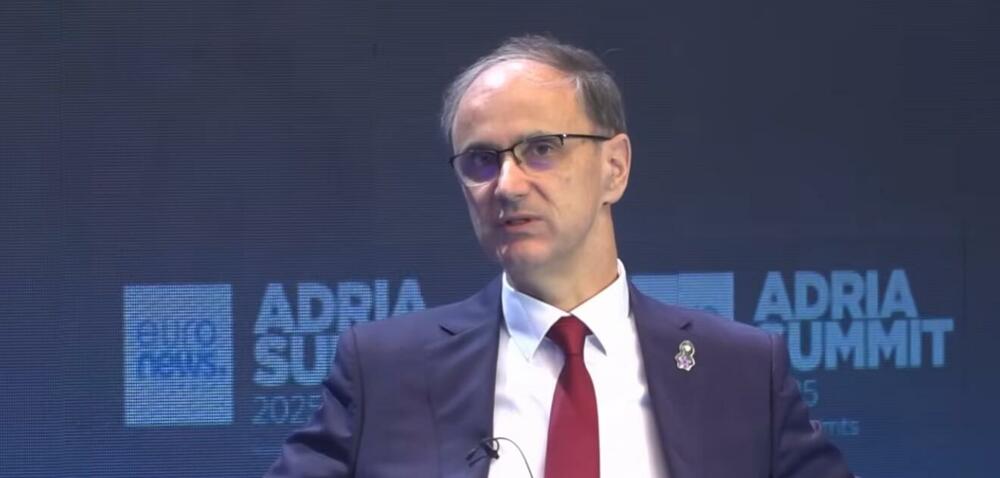
Serbian Prime Minister Miloš Vučević described the parliamentary debate on confidence in the government as a reflection of democracy. However, he also stated that the discussion included "unacceptable tones and an unacceptable way of communicating." Vučević's remarks suggest that while the process itself is a democratic exercise, the conduct within the parliament during this specific debate fell short of expected standards. The Prime Minister's comments imply a need for more constructive and respectful dialogue in legislative proceedings. This sentiment underscores the ongoing challenges in maintaining decorum and productive debate within the political arena. The government, according to Vučević, should interpret this vote as a signal to continue its work. This implies a desire for the government to persevere despite any criticisms or contentious exchanges that occurred during the confidence vote process. The outcome of the vote, while not detailed, is framed by the Prime Minister as a mandate to proceed.
The parliamentary confidence vote, as characterized by the Serbian Prime Minister, highlights a fundamental tension between democratic process and the quality of political discourse. While the act of holding a vote signifies adherence to democratic norms, the reported "unacceptable tones" suggest potential underlying issues in constructive dialogue and mutual respect among political actors. This situation prompts consideration of the incentives that may drive adversarial communication in legislative bodies and the systemic impact on governance effectiveness. Moving forward, fostering an environment that encourages substantive debate over performative conflict could be crucial for long-term political stability and public trust. The Prime Minister's call to continue the government's work, framed by this debate, invites reflection on how to balance accountability with the imperative for stable governance in the face of partisan friction.
AI-generated to prompt reflection — not editorial opinion, not advice, not a statement of fact. How this works.