Serbian President Vučić to Campaign as Party Leader, Not Head of State
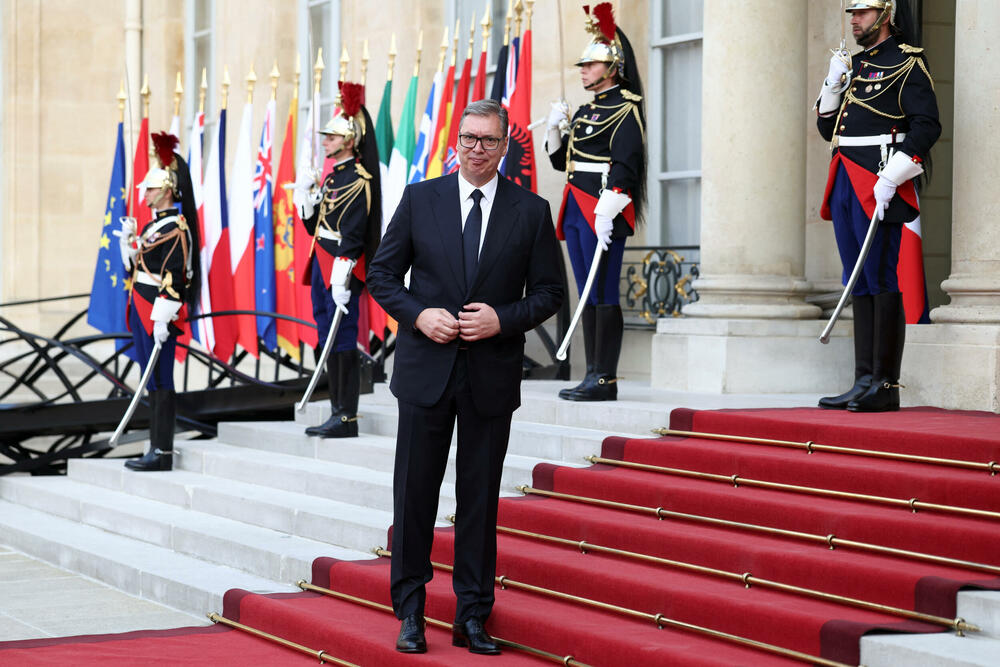
Serbian President Aleksandar Vučić announced that he will not participate in the upcoming election campaign in his capacity as president. Instead, he will run as the leader of his political party. Vučić stated his commitment to ensuring his party's list achieves victory in the elections. He emphasized that if his party loses, they will acknowledge the win of their opponents and congratulate them, while continuing their political struggle. Conversely, if his party emerges victorious, he pledged to extend an offer of reconciliation to those who were defeated, expressing a desire to maintain dialogue with them.
President Vučić's decision to campaign as a party leader rather than the head of state highlights a strategic maneuver to leverage his personal political influence while potentially distancing the presidency from partisan electoral contests. This approach may aim to bolster his party's electoral prospects by directly engaging in campaign activities, while also attempting to preserve a semblance of presidential impartiality. Such a dual role can create complex governance dynamics, where the executive's actions during an election period might be perceived through a partisan lens, potentially impacting public trust in state institutions. The emphasis on reconciliation regardless of outcome suggests an intent to manage political transitions smoothly, a critical factor for stability in multi-party democracies, especially in regions with a history of political volatility. This strategy could be viewed as an attempt to consolidate political power while navigating the inherent tensions between partisan campaigning and the responsibilities of a national leader.
AI-generated to prompt reflection — not editorial opinion, not advice, not a statement of fact. How this works.