Serena Williams Withdraws from Wimbledon Doubles Due to Knee Injury
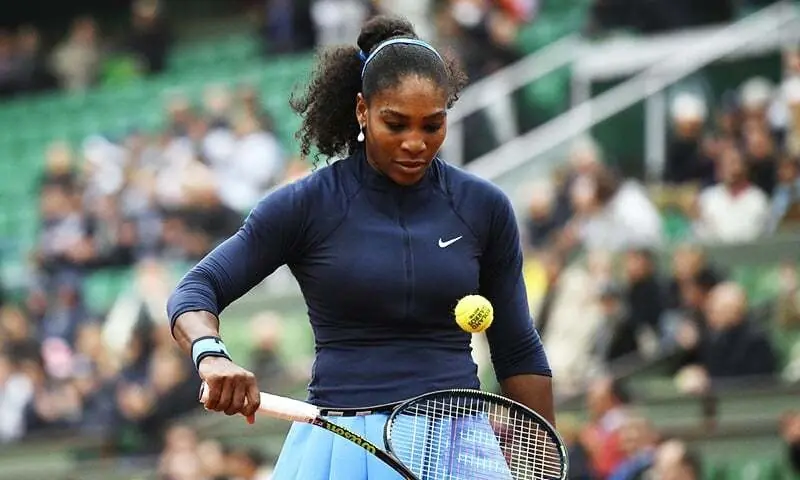
Tennis legend Serena Williams has withdrawn from the Wimbledon doubles tournament due to a persistent knee injury, ending her highly anticipated comeback at the event. Williams and her sister Venus, who have won the Wimbledon doubles title six times together, were scheduled to play their first-round match on Saturday. However, just hours before the match, Serena announced via Instagram that her knee had not sufficiently healed following an injury sustained during her singles match earlier in the week. The 44-year-old explained that fluid drained from her knee after her singles defeat made competing in doubles impossible. This withdrawal marks the end of her participation in Wimbledon, where she played only one singles match after a four-year retirement. Williams had expressed her desire to play in front of her two young daughters, Olympia and Adira, and was grateful for the opportunity to compete alongside Venus again. She also thanked tournament director Jamie Baker and the Wimbledon team for their support. While her Wimbledon run is over, Williams hinted at future appearances, stating "stay tuned to a city near you," leaving fans to question her readiness for the upcoming US Open.
Serena Williams' withdrawal from Wimbledon due to a knee injury highlights the inherent physical demands and risks associated with elite professional tennis, particularly during a comeback after a significant hiatus. The incident underscores the delicate balance athletes must strike between competitive ambition and physical recovery, especially when returning to high-stakes tournaments. Future considerations for athletes in similar comeback scenarios may involve more conservative ramp-up protocols and advanced injury management strategies to mitigate the risk of recurrence. The situation also prompts reflection on the evolving landscape of professional sports, where the longevity of athletes is increasingly influenced by sophisticated medical support and personalized training regimens, alongside the athlete's own resilience and determination.
AI-generated to prompt reflection — not editorial opinion, not advice, not a statement of fact. How this works.