Sergipe Cultural Calendar: Forró, March for Jesus, Rock, and More Events July 17-19
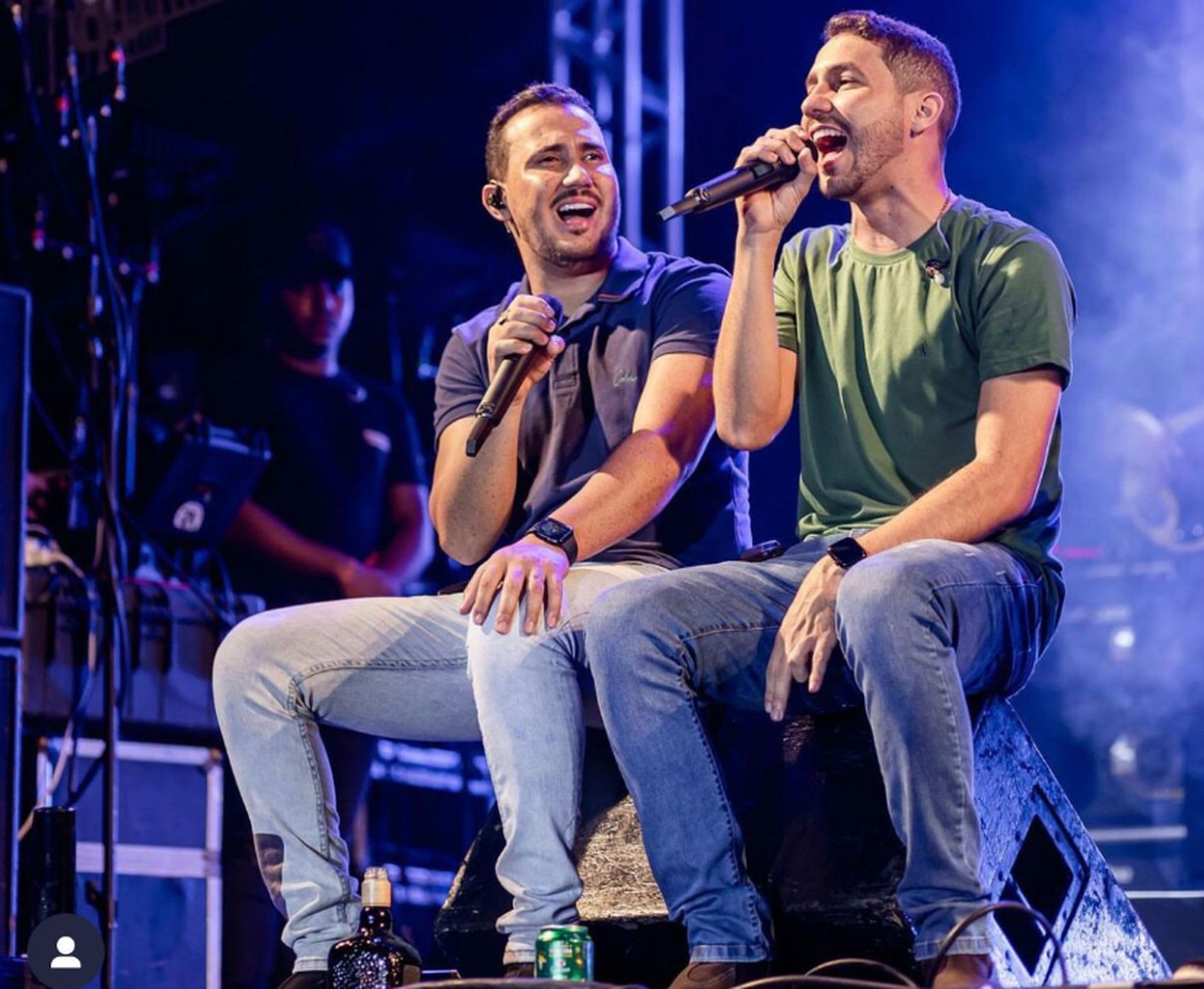
The g1 Sergipe cultural agenda highlights key events happening across Sergipe from July 17th to 19th, providing dates, times, and locations for attendees. The São Pedro de Muribeca festival will feature artists like Iguinho and Lulinha, Kaelzinho Ferraz, and Borba de Paula, taking place on July 17th, 18th, and 19th with free admission. Simultaneously, Aracaju's Orla da Atalaia will host Vila do Forró until July 19th, offering music, food, and children's activities, also free of charge. The March for Jesus event is scheduled for July 18th, starting at 4 PM, gathering evangelical churches and the Christian community for a public celebration of faith. Attendees can expect performances from Ungidos 4, DJ Abençoadão, and Thalles Roberto, with the procession moving from Praça da Bandeira to the Mercado Central. In Aracaju, the 5th Forró do Candeeiro will occur on July 18th at 8 PM at Complexo Cultural Gonzagão, featuring Mimi do Acordeon, Jairo Lima, and special guests. The 'Descubra Aracaju' initiative continues with music, crafts, and food at various locations: Mirante da 13 de Julho on Friday, Praça da Juventude on Saturday, and Praça Tobias Barreto on Sunday, all with free entry. Finally, Clash Pub in Aracaju presents a rock music lineup on July 17th and 18th, with performances by Rock Legacy Edition, Fita K7, The Nicks, Bad Name, Cartel de Bali, Rádio Pirata, Superhits, Mr. Skull, and Téssera, with free entry until 9 PM on Friday and ticketed entry thereafter.
This cultural roundup in Sergipe presents a diverse array of public events, ranging from religious gatherings like the March for Jesus to traditional festivals and contemporary music performances. The inclusion of free admission for most events suggests a strategy to foster community engagement and support local cultural industries. Such initiatives can stimulate local economies through increased foot traffic for food vendors and artisans. However, the reliance on public spaces and free access also raises questions about sustainable funding models and the equitable distribution of resources for cultural programming. As AI continues to reshape entertainment consumption, these community-focused events may offer a valuable counterpoint, emphasizing shared physical experiences and local identity, but their long-term viability will depend on balancing accessibility with robust organizational and financial frameworks.
AI-generated to prompt reflection — not editorial opinion, not advice, not a statement of fact. How this works.