Sergipe Fire Department Issues New Safety Rules for Electric Vehicle Charging
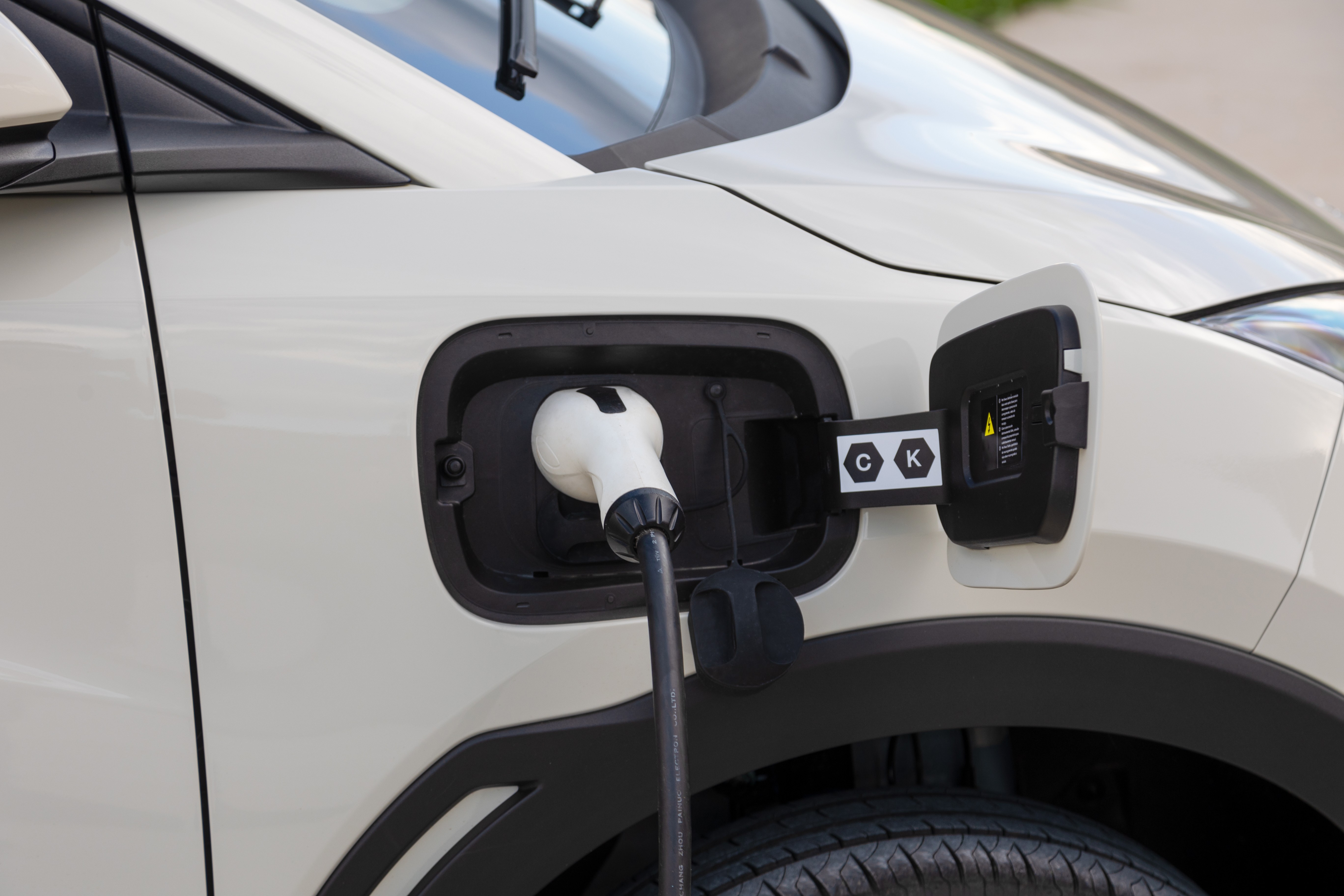
The Military Fire Department of Sergipe (CBMSE) in Brazil has established new safety regulations for electric vehicle charging systems (SAVE) in garages and other locations. Technical Instruction 48/2026, effective immediately for new installations and existing buildings, aims to prevent fires and panic. Key rules include prohibiting the use of common outlets (Modes 1 and 2) in internal areas and covered garages, mandating the installation of specific charging equipment (Mode 3 or Mode 4). All installations must be performed by a qualified professional after a technical feasibility study of the electrical network. Garages must be equipped with emergency stop buttons for all charging stations on a floor, located near entrances, and individual chargers must also have accessible emergency buttons. Clear signage prohibiting occupants from remaining inside vehicles during charging will be mandatory. For buildings with a single emergency exit, electric vehicle charging spots must be at least 5 meters away to ensure an unobstructed escape route in case of fire. New buildings, whose projects are filed after the norm's enactment, will face stricter structural requirements, including rapid-response sprinklers, fire detection systems, mechanical smoke extraction, and fire doors with 90-minute resistance for basement stair access. Existing condominiums have an immediate deadline for general electrical requirements and a three-year grace period to comply with other fire safety measures like sprinkler systems. The regulation is advisory for single-family homes and does not apply to traditional fuel stations.
The introduction of specific safety standards for electric vehicle charging infrastructure in Sergipe reflects a proactive approach to managing the evolving risks associated with new technologies. By mandating professional installation, specialized equipment, and emergency safety features, the regulations aim to mitigate potential fire hazards, thereby safeguarding public safety and property. This initiative highlights a broader trend of regulatory bodies adapting to technological advancements to ensure their safe integration into society. The phased implementation for existing structures acknowledges the practical challenges and costs associated with retrofitting, balancing immediate safety needs with the economic realities faced by property owners and condominium associations. The distinction made for single-family homes suggests a tiered risk assessment, focusing regulatory efforts on areas with higher occupancy and shared facilities.
AI-generated to prompt reflection — not editorial opinion, not advice, not a statement of fact. How this works.