Sergipe State: 47 Municipalities Face Medium Risk of Aedes aegypti Infestation
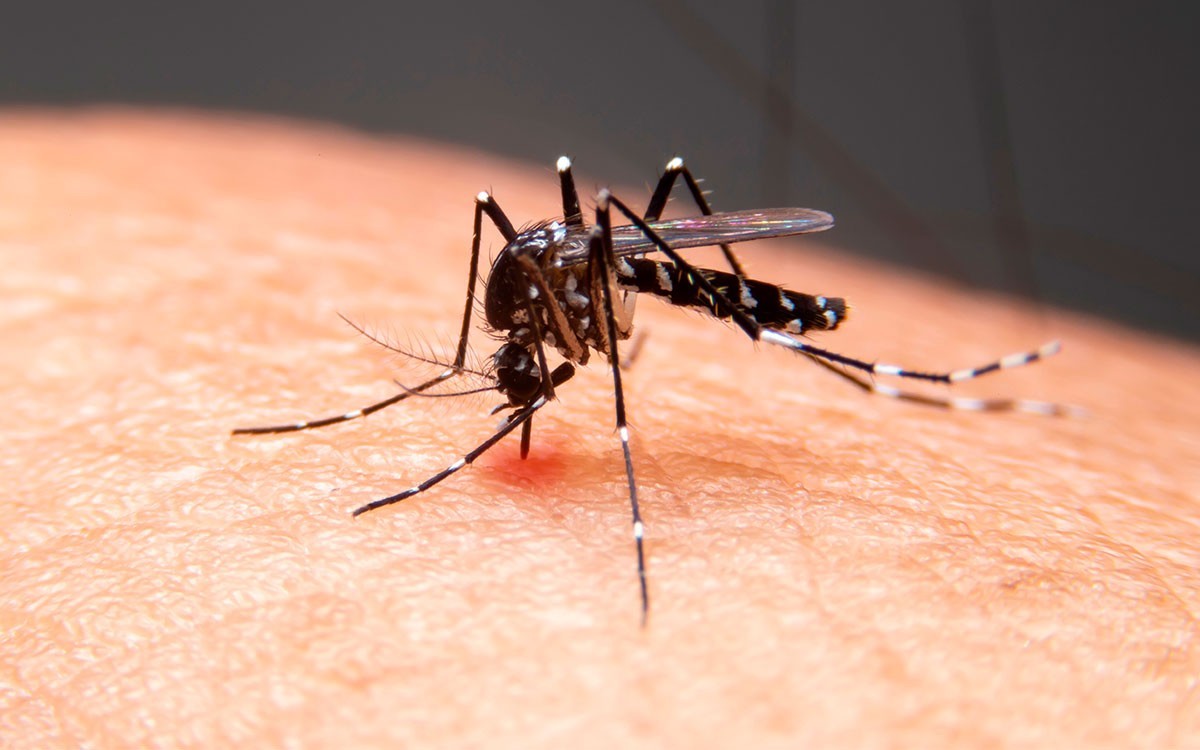
The fourth Rapid Survey of Aedes aegypti Infestation Index (LIRAa) for 2026 has revealed that 47 municipalities in Sergipe, Brazil, are at a medium risk level for infestation by the mosquito. Additionally, four municipalities are classified as high risk, and 24 are at low risk. These figures represent 5.33% of municipalities at medium risk, 62.67% at high risk, and 32% at low risk, out of the state's 75 cities. The survey, conducted by Endemic Disease Combat Agents and compiled by the State Health Secretariat (SES), monitors the presence of the mosquito responsible for transmitting dengue, Zika, and chikungunya. Frei Paulo, Itabaiana, and Nossa Senhora da Glória remain in the high-risk category, with Graccho Cardoso newly joining them after its infestation index rose to 5.8. An index below 0.9 is considered satisfactory, 1.0 to 3.9 is medium risk, and 4.0 or higher is high risk. Despite these numbers, Sergipe has seen an improvement compared to the previous LIRAa survey in May, with the number of high-risk municipalities decreasing by 42.9% from seven to four. Municipalities at low risk increased by 26.3%, from 19 to 24. The SES emphasizes that eliminating potential breeding sites, such as water-filled plant pots, uncovered water tanks, and old tires, is the most effective way to interrupt the mosquito's reproductive cycle.
This survey highlights the persistent challenge of Aedes aegypti control in Sergipe, with a significant portion of municipalities facing at least medium risk. While there's a noted reduction in high-risk areas compared to the previous survey, the continued presence of the mosquito underscores the need for sustained public health interventions and community engagement. The effectiveness of preventive measures relies heavily on public awareness and consistent action to eliminate breeding grounds, which can be influenced by socioeconomic factors and access to resources. Future strategies might benefit from exploring integrated vector management approaches that combine environmental controls with innovative technologies and behavioral science insights to build resilience against arboviral diseases in the coming decade.
AI-generated to prompt reflection — not editorial opinion, not advice, not a statement of fact. How this works.