Seropédica Landfill Under Investigation for Toxic Leachate Leak
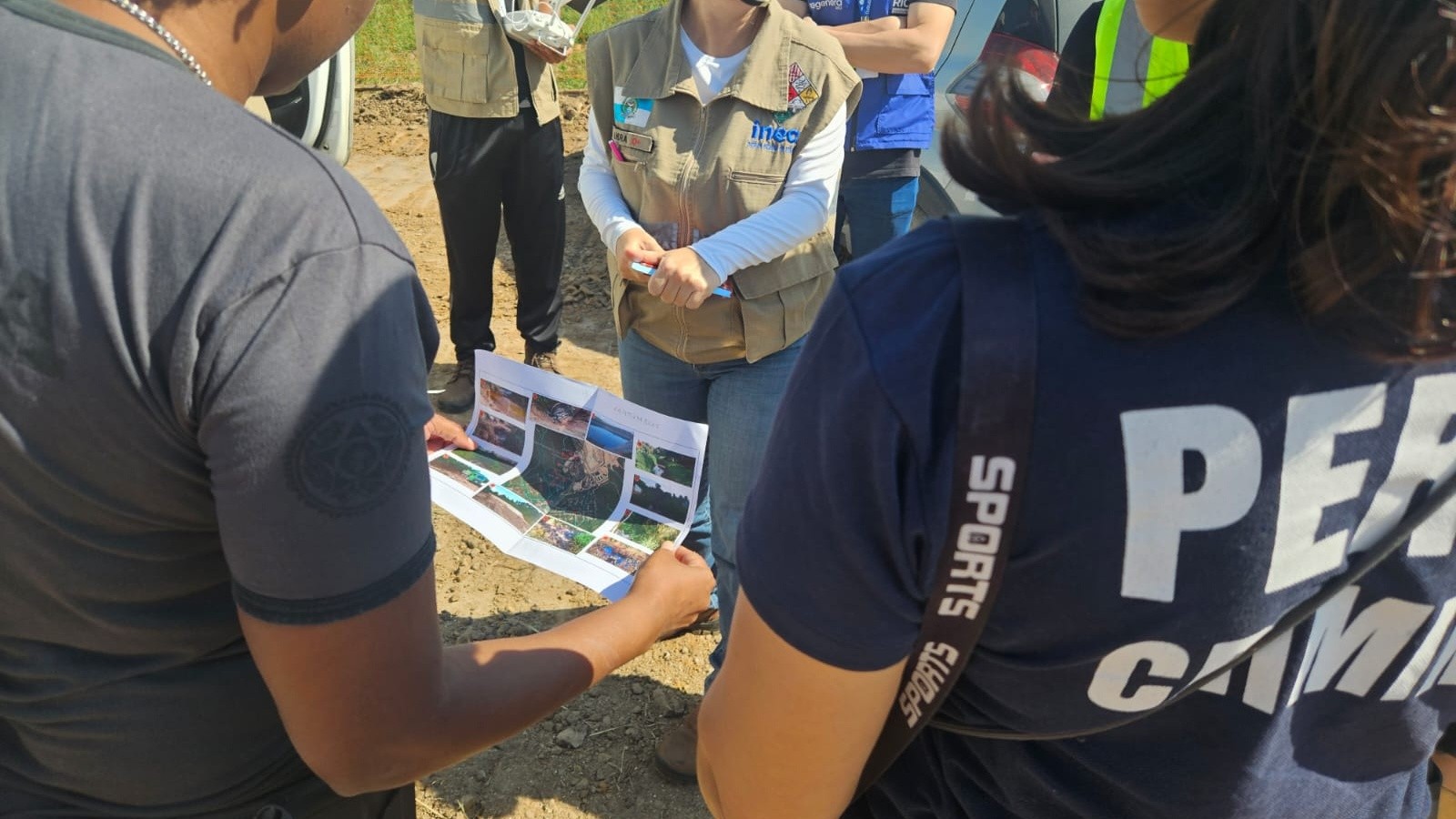
The Civil Police's Environmental Protection Department (DPMA) is investigating a confirmed leachate leak at the Seropédica landfill, located in the Rio de Janeiro Metropolitan Region. The state environmental agency, Inea, confirmed the incident, which prompted the police action to determine the circumstances and assess potential environmental damage. Local residents first reported the leak, noting the presence of tanker trucks and a change in the color of a nearby stream. Inea verified that raw leachate overflowed, spreading towards a green containment belt and a local water body. Emergency measures ordered by Inea include containing the leak and removing the spilled leachate. These actions involve digging a pit for drainage, using vacuum trucks to remove the liquid, excavating contaminated soil, and emptying the leachate lagoon from which the overflow originated. Inea also advised residents to avoid using water from nearby wells, streams, and rivers until water quality analyses are complete. Regenera Rio, the landfill operator, stated they identified and controlled a "specific occurrence" within a unit structure, implementing all required environmental and operational protocols. Comlurb, a major waste disposer at the site, has requested clarification from Regenera Rio.
This incident highlights the critical need for robust oversight and immediate response protocols at waste management facilities. The confirmed leachate leak, originating from a landfill operated by Regenera Rio and receiving waste from Comlurb, underscores systemic challenges in preventing environmental contamination. While emergency containment measures were implemented, the event raises questions about the long-term integrity of landfill infrastructure and the effectiveness of current monitoring systems in detecting and mitigating such occurrences before they impact local water sources. Future sustainability will depend on enhanced regulatory enforcement, technological advancements in leak detection, and transparent communication with affected communities regarding environmental risks and remediation efforts.
AI-generated to prompt reflection — not editorial opinion, not advice, not a statement of fact. How this works.