Serotonin Linked to Faster Heart Valve Disease Progression in Some Patients
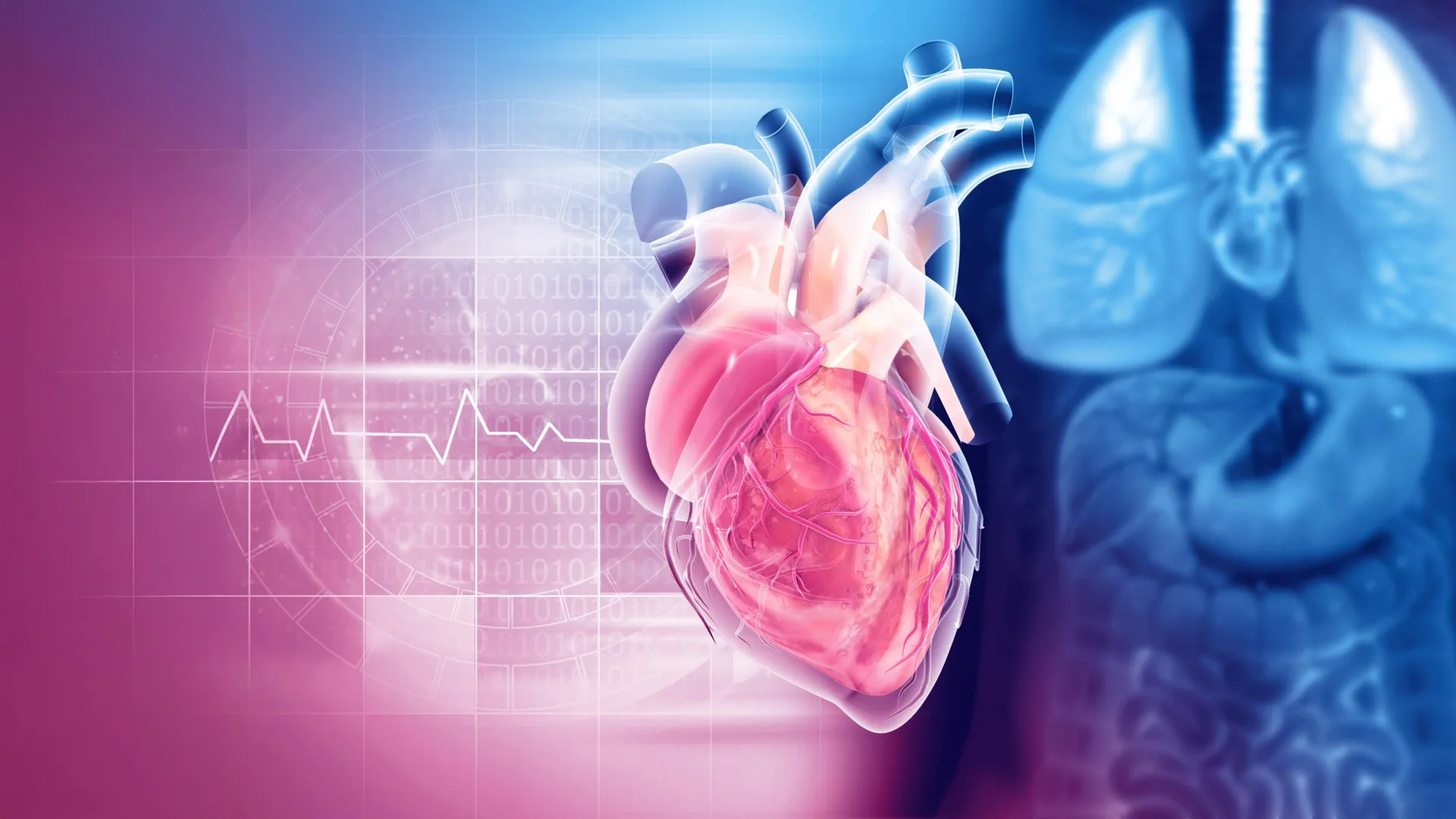
Scientists have discovered a potential link between serotonin, a neurotransmitter primarily known for mood regulation, and the accelerated progression of degenerative mitral regurgitation, a common heart valve disease. The research indicates that patients with this condition who also use SSRI antidepressants and possess a specific genetic variant might experience more rapid development of severe valve damage. This could lead to a need for surgical intervention at an earlier age. The findings suggest a complex interplay between mood-regulating chemicals, genetic predispositions, and cardiovascular health. Further investigation is needed to fully understand the mechanisms involved and to determine the clinical implications for patient care. This discovery opens new avenues for exploring therapeutic strategies that could mitigate the progression of heart valve disease.
This research highlights a potential interaction between widely prescribed SSRI antidepressants, genetic factors, and the progression of degenerative mitral regurgitation. While serotonin is crucial for mood regulation, its role in cardiovascular health, particularly in valve function, warrants careful consideration. The findings suggest that for a subset of patients with specific genetic profiles using SSRIs, the drug's mechanism of action on serotonin levels might inadvertently influence the rate of heart valve deterioration. This underscores the importance of personalized medicine, where genetic screening and a comprehensive understanding of drug-specific effects could inform treatment decisions for cardiovascular conditions. Future research should focus on clarifying the precise molecular pathways involved and developing diagnostic tools to identify at-risk individuals, potentially leading to tailored interventions that balance mental health treatment with cardiovascular protection.
AI-generated to prompt reflection — not editorial opinion, not advice, not a statement of fact. How this works.