Serpens: The Unique Constellation Divided by Ophiuchus
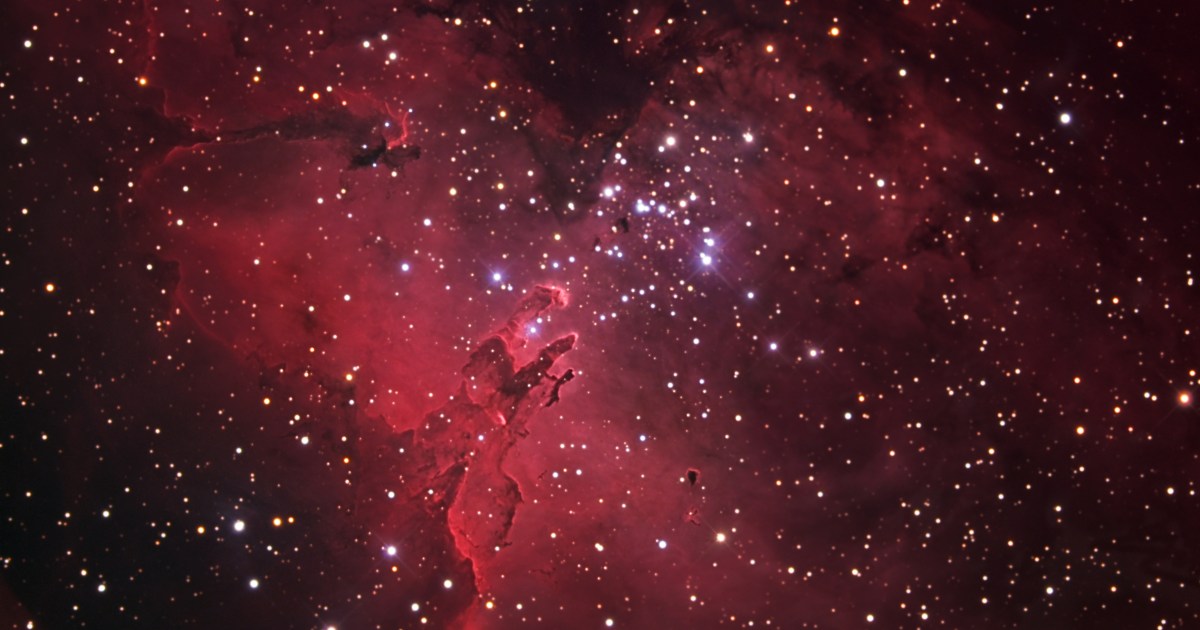
The constellation Serpens holds a unique position in the night sky due to its division into two distinct parts. These sections are separated by the constellation Ophiuchus, known as the Serpent-bearer. Serpens is thus split into Serpens Caput, representing the serpent's head, and Serpens Cauda, representing its tail. Serpens Caput is located to the west of Ophiuchus, while Serpens Cauda is situated to the east. Notably, Serpens Caput is the larger of the two segments that comprise the Serpens constellation. This unusual arrangement makes Serpens stand out among the recognized constellations. The constellation's name directly translates to 'Serpent' in Latin, reflecting its serpentine form. Its distinctiveness is a point of interest for astronomers and stargazers alike.
The unique astronomical structure of Serpens, divided by Ophiuchus, highlights how celestial nomenclature and perceived forms can evolve independently of strict geometric divisions. This arrangement prompts consideration of how historical interpretations and naming conventions influence our understanding of astronomical objects, potentially overshadowing purely scientific classifications. In the context of modern astronomy, such distinct features offer opportunities for public engagement and education, yet also underscore the ongoing need for standardized celestial mapping and identification systems. The long-term implication involves how these traditional designations will interface with future astronomical discoveries and evolving scientific paradigms.
AI-generated to prompt reflection — not editorial opinion, not advice, not a statement of fact. How this works.