Serra da Mantiqueira Cheese Wins Top Prize at ExpoQueijo Brasil
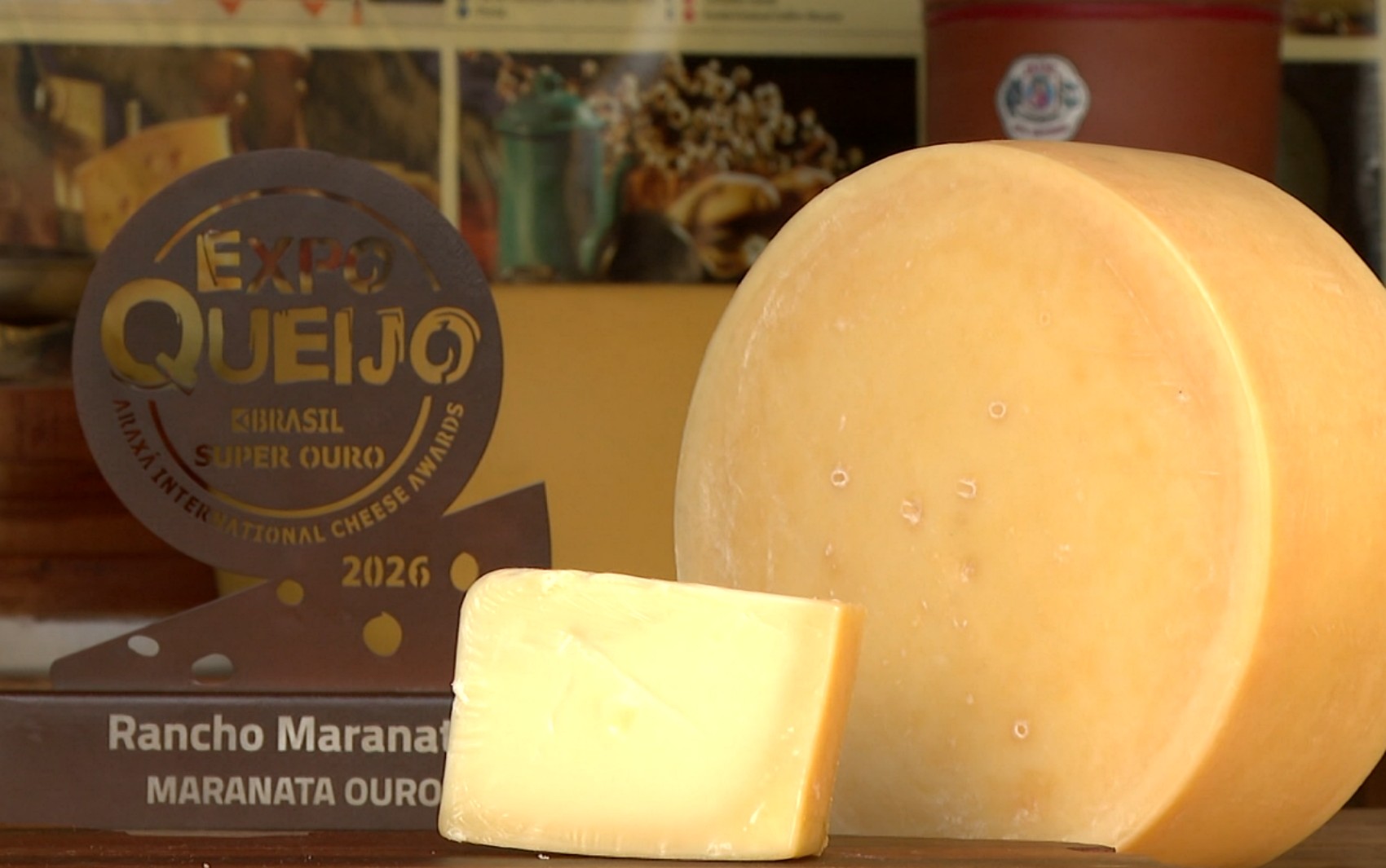
An artisanal cheese from the Serra da Mantiqueira region, produced by the Lamim family in rural Virgínia, Minas Gerais, has won the highest award at the ExpoQueijo Brasil – Araxá International Cheese Awards. This recognition stems from a meticulous production process that begins with daily care for their Jersey cows, known for high-quality milk, and culminates in a nine-month aging period. The family's cheese operation, established six years ago, combines tradition with modern techniques, producing approximately 50 kilograms of cheese daily, totaling about 1.5 tons per month. This consistent volume underscores the family's commitment to refining their production structure over the years. The quality of the cheese is ensured through careful animal husbandry, including balanced feeding, comfort, and proper handling, alongside diligent milking practices. Technical guidance from Emater-MG further supports the family in implementing best practices from herd management to cheese fabrication. The cheese is available in versions aged for 30, 60, and 90 days, with the nine-month aged variety being the award-winning product. This special cheese is matured in a climate-controlled room maintained at around 14°C, fostering the development of natural microorganisms that impart distinct flavors, aromas, and textures. For producer Henrique Lamim, the award signifies years of family dedication, representing a profound and novel achievement. His wife, Paula Lamim, emphasizes the collaborative family effort, noting even their five-year-old son participates, learning the value of hard work. Previously, Henrique had earned bronze and silver medals at earlier ExpoQueijo Brasil events, and this ultimate prize is expected to enhance the reputation of artisanal cheeses from Serra da Mantiqueira, potentially introducing them to a global audience.
The award highlights the success of a family-run artisanal cheese business that prioritizes animal welfare, milk quality, and extended aging processes. This achievement demonstrates the market's growing appreciation for high-quality, traditionally produced food items, especially when combined with modern technical support and controlled maturation environments. The story underscores the economic potential of niche agricultural products and the importance of regional branding. Future success for such producers will likely depend on scaling production while maintaining artisanal integrity, navigating evolving consumer preferences, and managing supply chain complexities in an increasingly competitive global market. The long-term viability may also be influenced by broader agricultural policies and the impact of climate change on dairy farming.
AI-generated to prompt reflection — not editorial opinion, not advice, not a statement of fact. How this works.