Sertão Film and Theater Festival Opens 2026 Short Film Submissions in Salgueiro
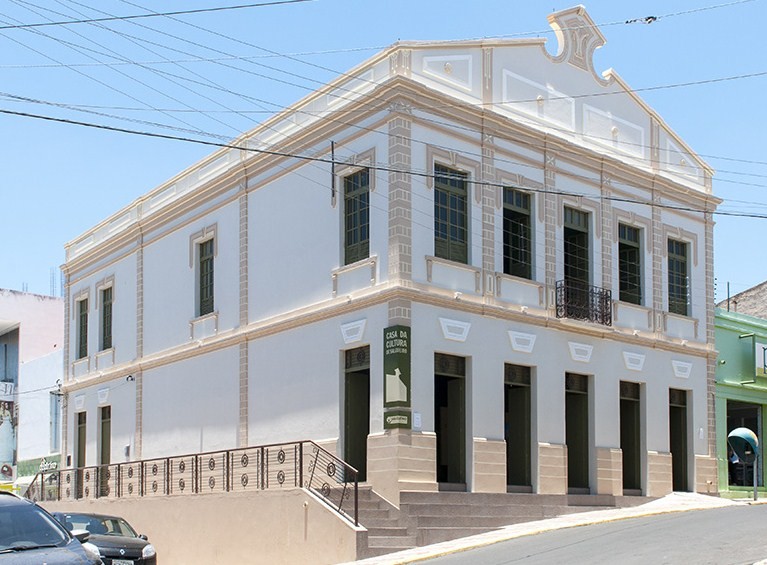
The VI Festival de Cinema e Teatro do Sertão (Sertão Film and Theater Festival) has opened submissions for its 2026 Competitive Short Film Showcase. The festival is scheduled to take place from September 16 to 19 in Salgueiro, Pernambuco, Brazil, with events hosted in local schools and the Casa da Cultura. The program will feature film screenings, theatrical performances, and educational activities.
Filmmakers, audiovisual creators, students, and cultural producers are invited to submit Brazilian short films produced from 2024 onwards. Accepted genres include drama, comedy, documentary, animation, and experimental. Submissions must be made via an online form by August 21. Films should not exceed 20 minutes in length, including credits, and must be submitted in high-resolution digital format with free or public exhibition-appropriate age ratings.
The competitive showcase will feature nine short films divided into three categories: Sertão (three films), Pernambuco (three films), and National (three films). Each category winner will receive a R$ 800 prize. The festival aims to encourage Brazilian audiovisual production, promote independent cinema, and strengthen culture in the interior of Pernambuco. A selection committee will prioritize works highlighting cultural diversity, popular culture, traditional peoples, women filmmakers, and LGBTQIAPN+ and independent productions. Selection results will be announced by September 19 via social media, email, and at the closing ceremony.
This festival's call for submissions highlights a strategic effort to foster independent audiovisual production and cultural expression within Brazil's interior, specifically Pernambuco. By focusing on diverse themes and creators, including LGBTQIAPN+ and women filmmakers, the event aims to cultivate a more inclusive and representative cinematic landscape. The competitive structure with cash prizes incentivizes quality submissions, while the educational components and public screenings contribute to audience development and cultural enrichment. Looking ahead, such initiatives are crucial for decentralizing cultural production away from major hubs and empowering regional artistic communities in the evolving digital media environment.
AI-generated to prompt reflection — not editorial opinion, not advice, not a statement of fact. How this works.