Sertãozinho City Council Forms Committee to Investigate Rape Allegation Against Councilman
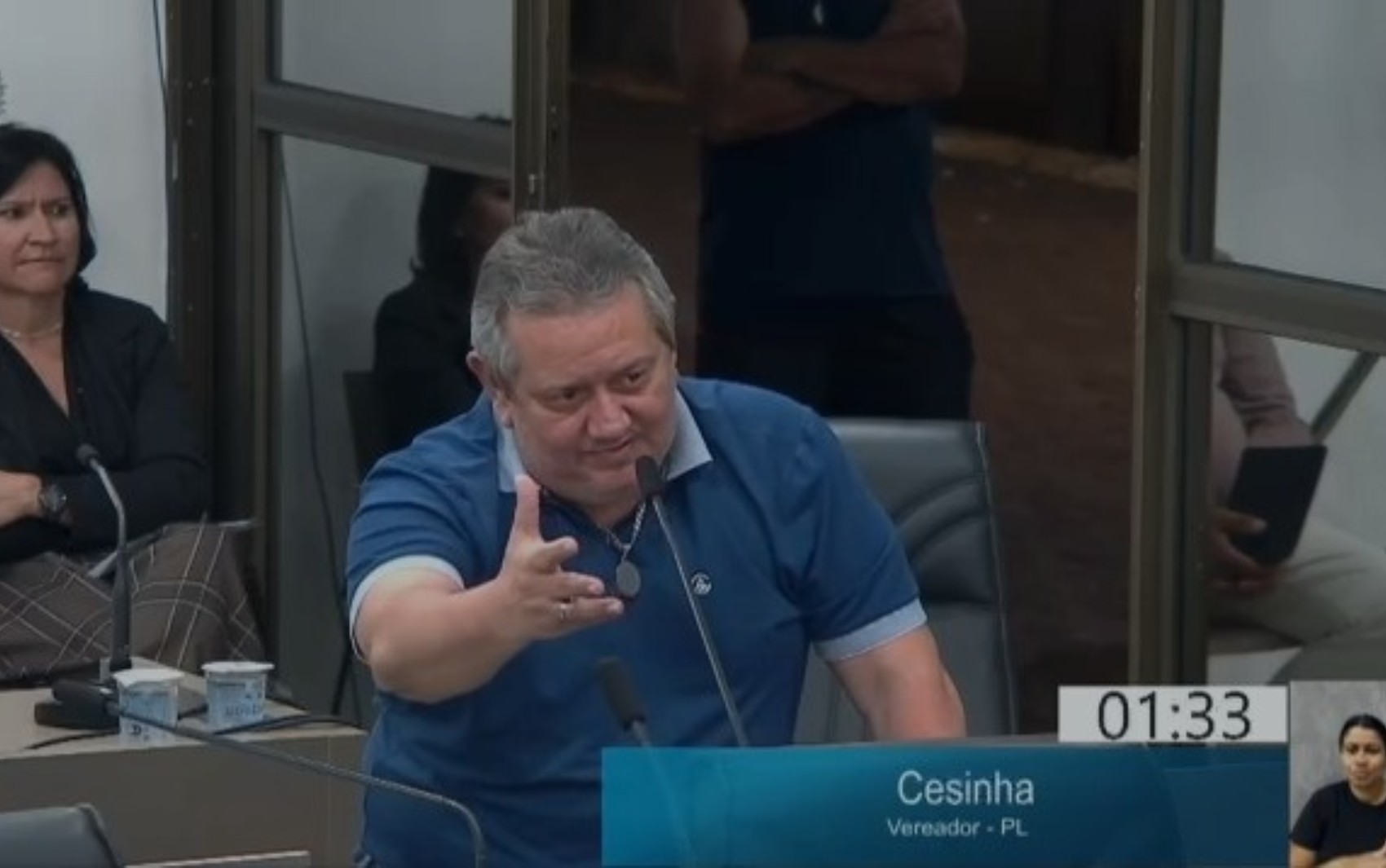
The Sertãozinho City Council in São Paulo, Brazil, has unanimously approved the establishment of a processing committee to investigate a rape allegation against councilman Antonio Cesar Peghini, also known as Cesinha. The committee will examine potential breaches of parliamentary decorum. A woman reported that after seeking help from the councilman for financial difficulties and employment, their conversations shifted to personal and sexual matters. She alleges that during a meeting at his office to discuss job prospects, she was subjected to a sexual act without her consent, constituting rape and causing her significant psychological distress. The complaint was submitted with a police report and other evidence. The council emphasized that this process focuses on political-administrative responsibility, separate from any criminal proceedings. Councilman Peghini, who did not vote on the committee's formation, requested its approval to prove his innocence, citing his long public service record and claiming he was a victim of attempted extortion. The case is also under criminal investigation, with the São Paulo Court of Justice having granted protective measures against Peghini, including a 300-meter restraining order from the victim and prohibiting contact. The court noted sufficient initial evidence for investigation but stressed no definitive judgment on criminal liability has been made. The processing committee has up to 90 days to conclude its investigation before the case returns to the full council for a vote.
The formation of a processing committee by the Sertãozinho City Council to investigate a serious allegation against Councilman Antonio Cesar Peghini reflects a procedural response to public accountability demands. This action separates the political-administrative review of decorum from the ongoing criminal investigation by the judiciary, a necessary distinction to respect due process. The council's swift, unanimous vote to form the committee, coupled with the councilman's request for its formation to prove innocence, suggests an effort to navigate the immediate public scrutiny. However, the case highlights the systemic challenge of balancing political office with personal conduct, particularly when allegations involve abuse of power or trust. Future governance models may need to strengthen mechanisms for independent oversight and conduct review that are both timely and impartial, ensuring public confidence without prejudicing legal outcomes.
AI-generated to prompt reflection — not editorial opinion, not advice, not a statement of fact. How this works.
