Sertãozinho Official Denies Frequent Elevator Issues at Christ the Redeemer Monument
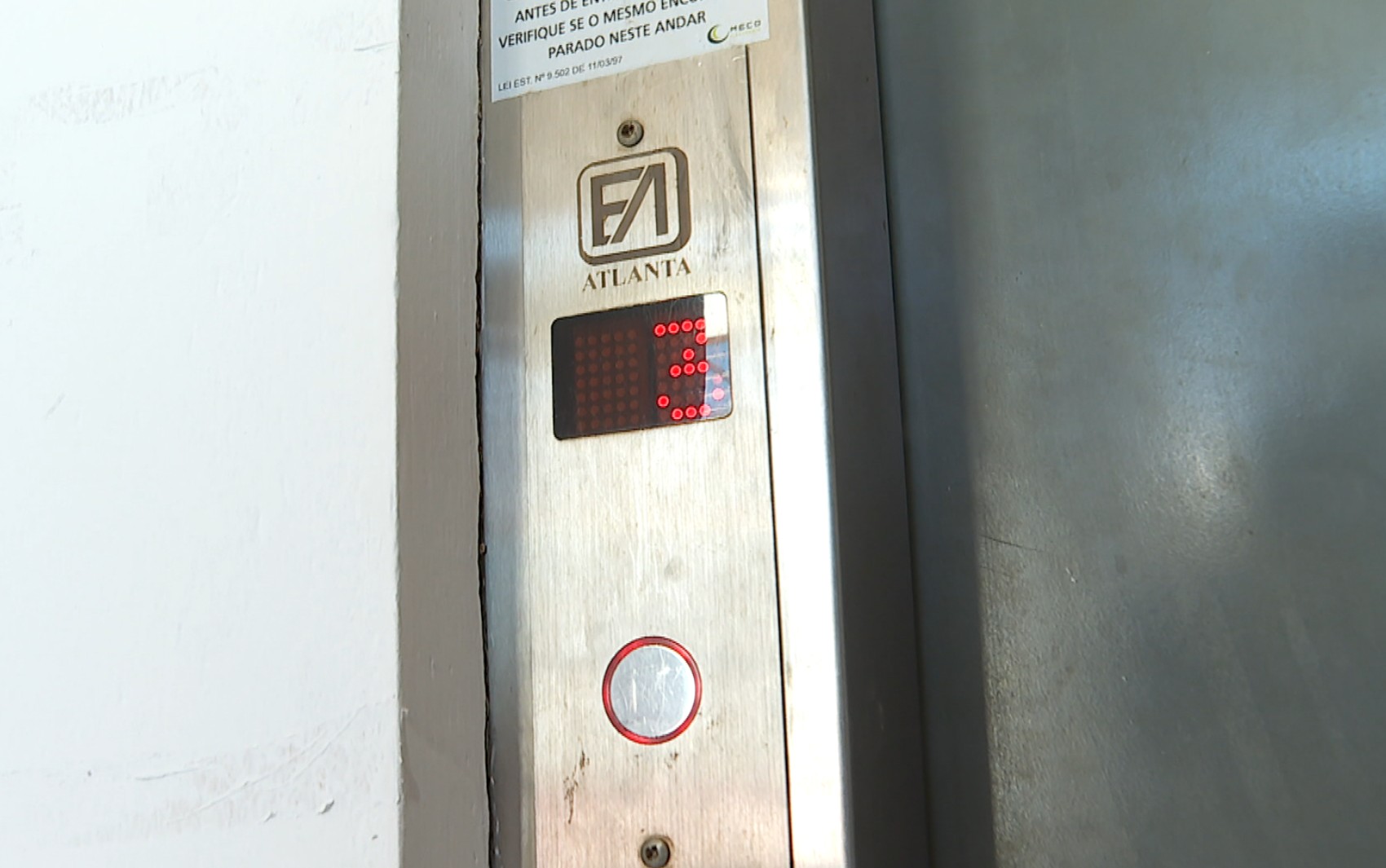
The Secretary of Culture and Tourism for Sertãozinho, São Paulo, José Adilson dos Santos, stated that a recent incident where a family of five, including a baby, was trapped in an elevator at the Christ the Redeemer monument was not a recurring problem. He assured that the company responsible for the monument performs monthly maintenance on the equipment. Santos acknowledged that two similar incidents have occurred this year, but emphasized that the maintenance company, based in Ribeirão Preto, is quickly dispatched to resolve issues, typically within 20 to 25 minutes. The family was stuck for 30 minutes on Friday, July 3rd. Following the incident, which gained attention on social media, other visitors reported similar experiences in recent years. The secretary confirmed that the company is working to fix the non-functioning emergency call button, suspecting a broken wire due to an impact. The Christ the Redeemer monument, inaugurated in 2014, is a major tourist attraction, standing 57 meters tall and offering panoramic city views. The park is undergoing renovations, including cleaning the statue and preparing for more extensive work such as replacing the viewing deck's floor. The park is scheduled to close for approximately 30 days starting July 20th for these improvements, with a reopening date yet to be announced.
The official's statements highlight a tension between acknowledging isolated incidents and reassuring the public about safety protocols. While monthly maintenance and rapid response times are cited, the occurrence of two 'intercurrências' this year and reports from other visitors suggest potential systemic issues or vulnerabilities in the elevator's operational integrity. The focus on external maintenance contracts and the specific issue with the call button points to a reactive rather than proactive approach to infrastructure reliability. As urban tourism infrastructure ages, the long-term sustainability and resilience of such systems, particularly those with significant public access and potential safety implications, warrant continuous evaluation beyond routine checks. Future planning should consider not just immediate repairs but also the lifecycle of critical components and the potential for cascading failures, especially as visitor numbers and usage patterns evolve.
AI-generated to prompt reflection — not editorial opinion, not advice, not a statement of fact. How this works.