Service worker filmed brutally assaulting dog in Brazil
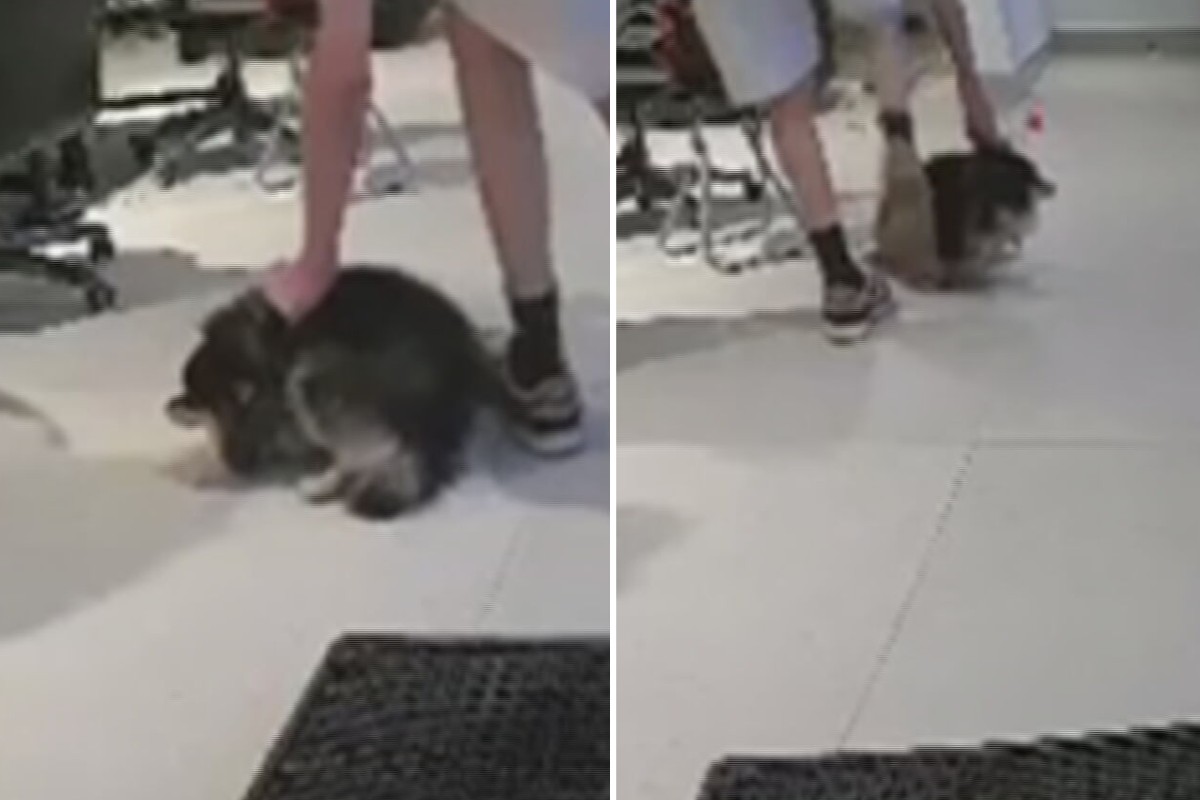
A service worker was captured on security camera violently assaulting a small German Spitz dog with kicks and slaps inside an advertising agency in Presidente Prudente, São Paulo, Brazil, on Thursday, May 16th. The footage shows the man dragging the animal while repeatedly hitting and kicking it. The dog's owner, who wished to remain anonymous, stated the incident occurred after all other employees had left the premises. The owner suspects this is not the first instance of mistreatment, noting the dog had shown signs of distress previously, such as crying out when picked up. The owner became suspicious after arriving at the agency and finding unusual amounts of feces and urine from the dog, prompting him to review the security footage. The dog, described as loving and well-behaved, was taken to a veterinarian and, fortunately, showed no significant physical trauma or fear of people. The family has filed a police report for animal cruelty, and environmental police have identified the perpetrator. The case is currently under investigation.
This incident highlights the critical importance of robust oversight and accountability mechanisms for service personnel operating in private and public spaces. The use of security cameras proved instrumental in documenting the abuse, underscoring their value in deterring and proving mistreatment. The owner's proactive investigation, triggered by unusual behavior from his pet, demonstrates the deep bond between humans and animals and the responsibility owners feel for their well-being. Moving forward, the legal and investigative processes will determine accountability, but the event also prompts reflection on how businesses can better ensure the safety and ethical treatment of animals that may be present on their premises or interact with their staff. This case serves as a reminder of the societal expectation for humane treatment of all living beings and the need for swift, fair resolution when such standards are violated.
AI-generated to prompt reflection — not editorial opinion, not advice, not a statement of fact. How this works.