Sesc Offers 278 Free Cultural Course Spots Across Pernambuco
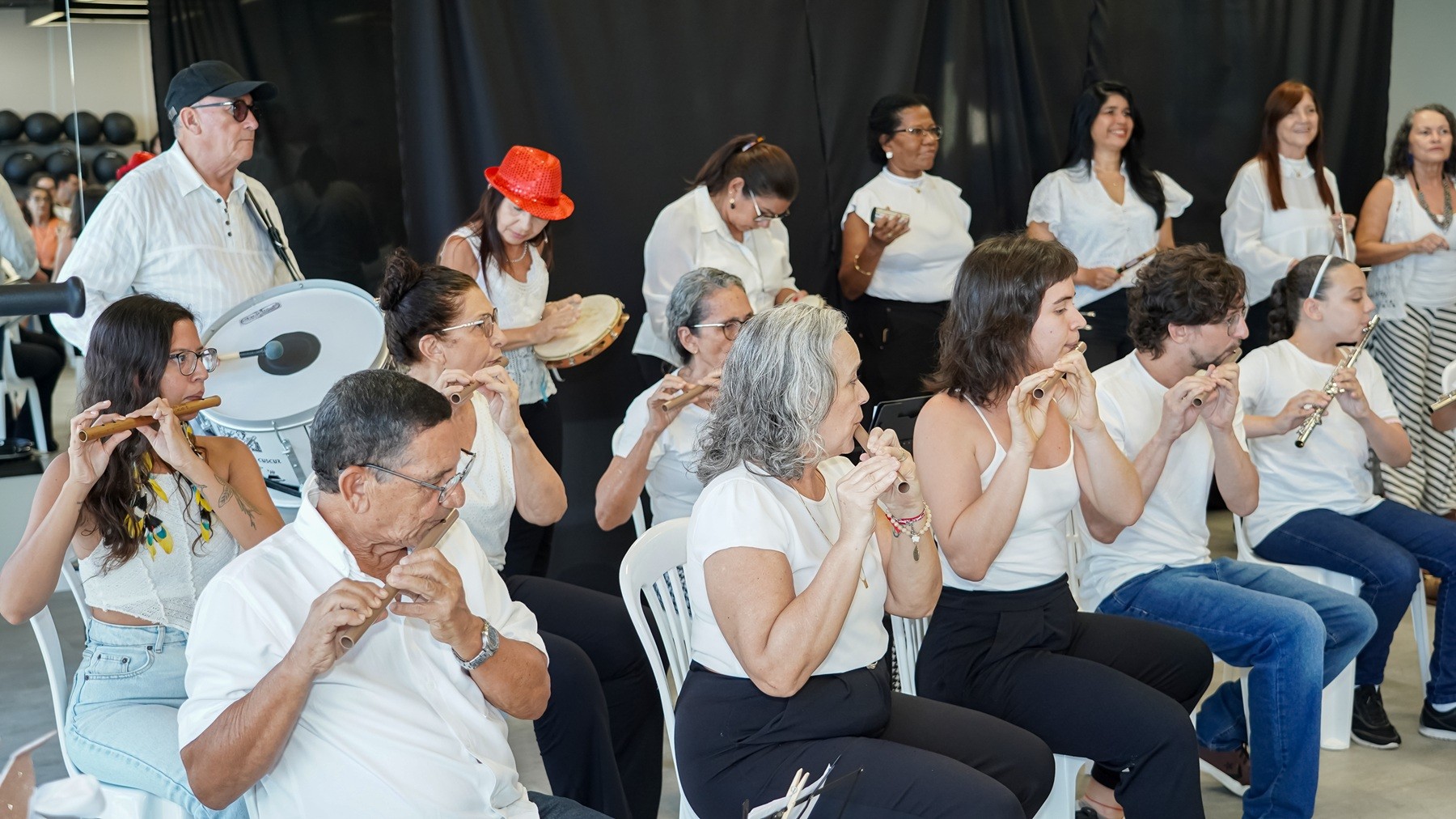
The Serviço Social do Comércio (Sesc) in Pernambuco has opened 278 free spots in over 120 cultural activity courses for low-income individuals. These courses, part of the institution's Gratuitous Commitment Program (PCG), cover a wide range of disciplines including dance, cinema and audiovisual, music, theater, visual arts, and literature. Interested applicants can register in person at 14 Sesc units throughout the state until July 21st. To be eligible, candidates must demonstrate a monthly family income of up to two minimum wages per capita. Priority is also given to workers in the commerce and services sectors, as well as students who are currently enrolled in or have completed basic education. The selection process involves three stages: document analysis, a classification phase where candidates are scored based on need, and an interview. The available courses include introductions to theater, advanced theater, ballet, vocal expression, guitar for various age groups, ballroom dancing, bass guitar, creative writing, visual arts research, and cinema and audiovisual language. The 14 participating Sesc units are located in Santo Amaro (Recife), Casa Amarela (Recife), Piedade (Jaboatão dos Guararapes), São Lourenço da Mata, Goiana, Arcoverde, Caruaru, Araripina, Belo Jardim, Bodocó, Buíque, Surubim, and Petrolina.
This initiative by Sesc provides valuable access to cultural education for underserved populations in Pernambuco. By offering free courses, Sesc addresses potential financial barriers that might otherwise prevent individuals from engaging with the arts. The program's structure, prioritizing those with lower incomes and specific employment/education backgrounds, reflects a targeted approach to social inclusion. Looking ahead, such programs are crucial for fostering a more equitable creative landscape, empowering individuals with skills and experiences that can lead to personal enrichment and potential professional development in the cultural sector, especially as the digital economy increasingly values creative and critical thinking.
AI-generated to prompt reflection — not editorial opinion, not advice, not a statement of fact. How this works.