SETI scientists explore novel methods to detect potential alien signals
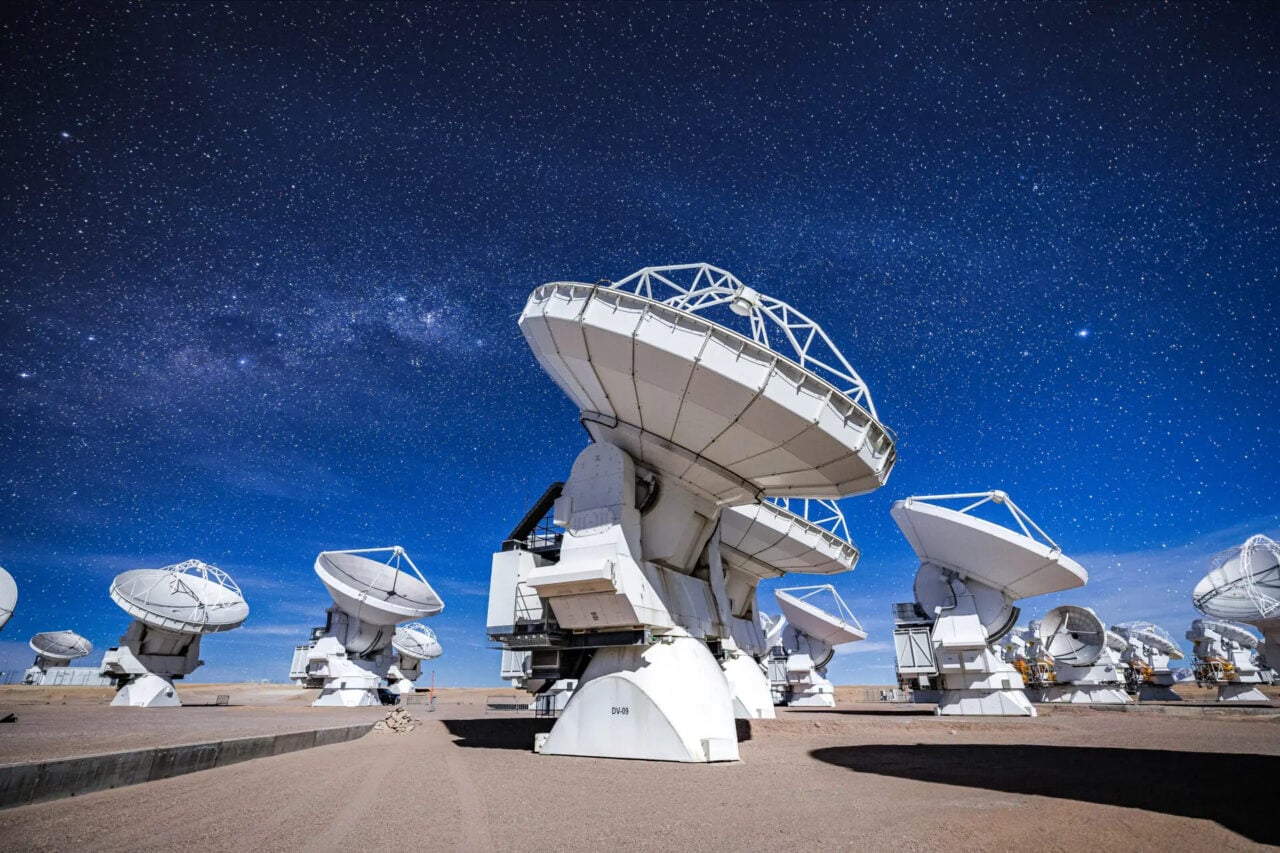
Scientists involved with the Search for Extraterrestrial Intelligence (SETI) are developing new strategies to identify potential signals from alien civilizations. Historically, SETI has concentrated its efforts on specific radio frequencies, searching for deliberate, narrow-band transmissions. However, researchers are now considering that alien signals might be present in older telescope data, potentially in frequencies previously overlooked. This shift in approach acknowledges the vastness of the universe and the possibility that extraterrestrial intelligence may communicate in ways or on frequencies not yet fully explored by human technology. The focus remains on detecting signals that are distinct from natural cosmic noise, suggesting an artificial origin. This exploration into new avenues of data analysis and frequency ranges could broaden the scope of SETI's search and increase the chances of detecting a signal.
The SETI initiative's exploration into novel signal detection methods reflects a pragmatic adaptation to the immense scale of the cosmos and the limitations of current search paradigms. By considering the possibility of signals embedded in historical data and beyond established frequency bands, SETI scientists are broadening their search space. This approach acknowledges that extraterrestrial intelligence, if it exists, may employ communication technologies or strategies that differ significantly from human expectations. Such methodological diversification is crucial for scientific progress, allowing for the potential discovery of phenomena that might otherwise remain undetected due to preconceived notions or technological constraints. The challenge lies in distinguishing artificial signals from the complex natural radio emissions of the universe, a task that requires sophisticated analytical tools and a robust understanding of astrophysical processes.
AI-generated to prompt reflection — not editorial opinion, not advice, not a statement of fact. How this works.