Seven Arrested as Authorities Shut Down Counterfeit Lubricant Factory in Duque de Caxias
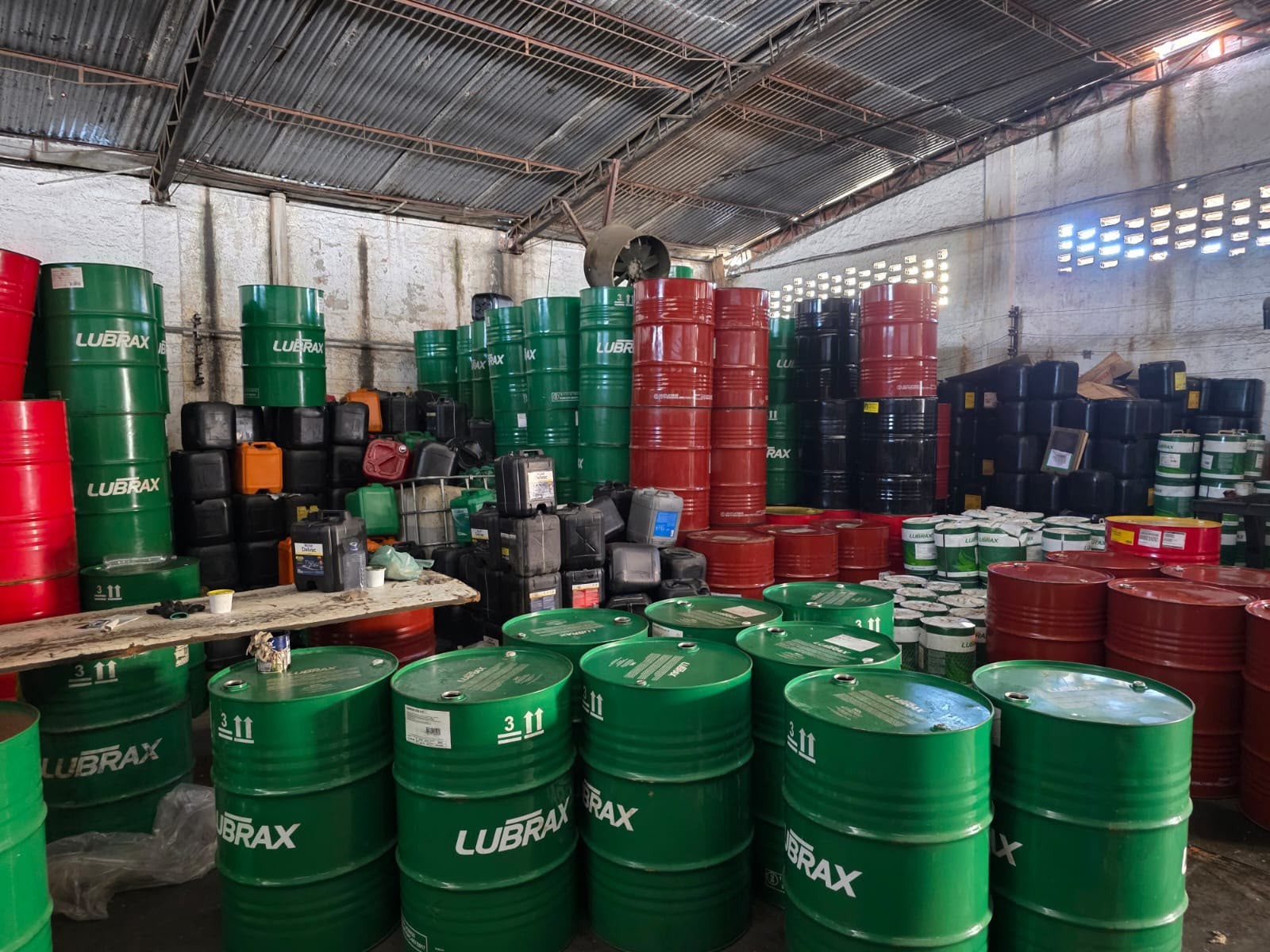
An operation in Duque de Caxias, Baixada Fluminense, has dismantled a criminal group suspected of manufacturing and selling counterfeit lubricant oil and grease. The operation, part of the 'Operação Foco' initiative coordinated by the Institutional Security Cabinet (GSI) in collaboration with the Civil Police's Tax Crimes Division (Delfaz) and the National Agency of Petroleum, Natural Gas and Biofuels (ANP), resulted in the arrest of seven individuals and the closure of an illegal factory. Investigators estimate the clandestine operation was generating over R$1 million per month. The arrested suspects were taken to the Tax Crimes Division at Cidade da Polícia and remain in custody. The factory, which operated without an environmental license, had the capacity to store up to 120,000 liters of products in four tanks. Evidence suggests that used or contaminated lubricant oil was being reprocessed and clarified to appear as new. Labels imitating well-known automotive brands were produced on-site. Authorities also seized products under a private brand associated with a non-existent company registration number (CNPJ), along with a large quantity of empty drums, gallons, and packaging. No invoices were found, and the origin of the goods is under investigation. The scheme posed a significant risk to consumers, as the reprocessed oil was sold as new without quality control or regulatory approval. This action is part of a broader effort by state inspection and public security agencies to combat tax fraud, evasion, and the illicit sale of products throughout Rio de Janeiro state.
This operation highlights the persistent challenge of counterfeit goods, particularly in sectors like automotive lubricants where product integrity is crucial for safety and performance. The reprocessing of used oil and its sale as new, without regulatory oversight or quality assurance, represents a significant consumer risk and an unfair competitive practice. Such schemes often thrive in environments with weak enforcement or where demand for cheaper alternatives is high. The involvement of multiple government agencies underscores the complexity of these illicit markets, which often intersect with tax evasion and environmental violations. Addressing this issue effectively requires not only enforcement actions but also enhanced consumer awareness campaigns and potentially stricter supply chain traceability measures to prevent reprocessed or substandard products from entering the market, especially as the automotive sector increasingly integrates with digital and AI-driven maintenance systems.
AI-generated to prompt reflection — not editorial opinion, not advice, not a statement of fact. How this works.