Seven Arrested for Over $1.5 Million in Copper Coil and Battery Theft from ES Mine
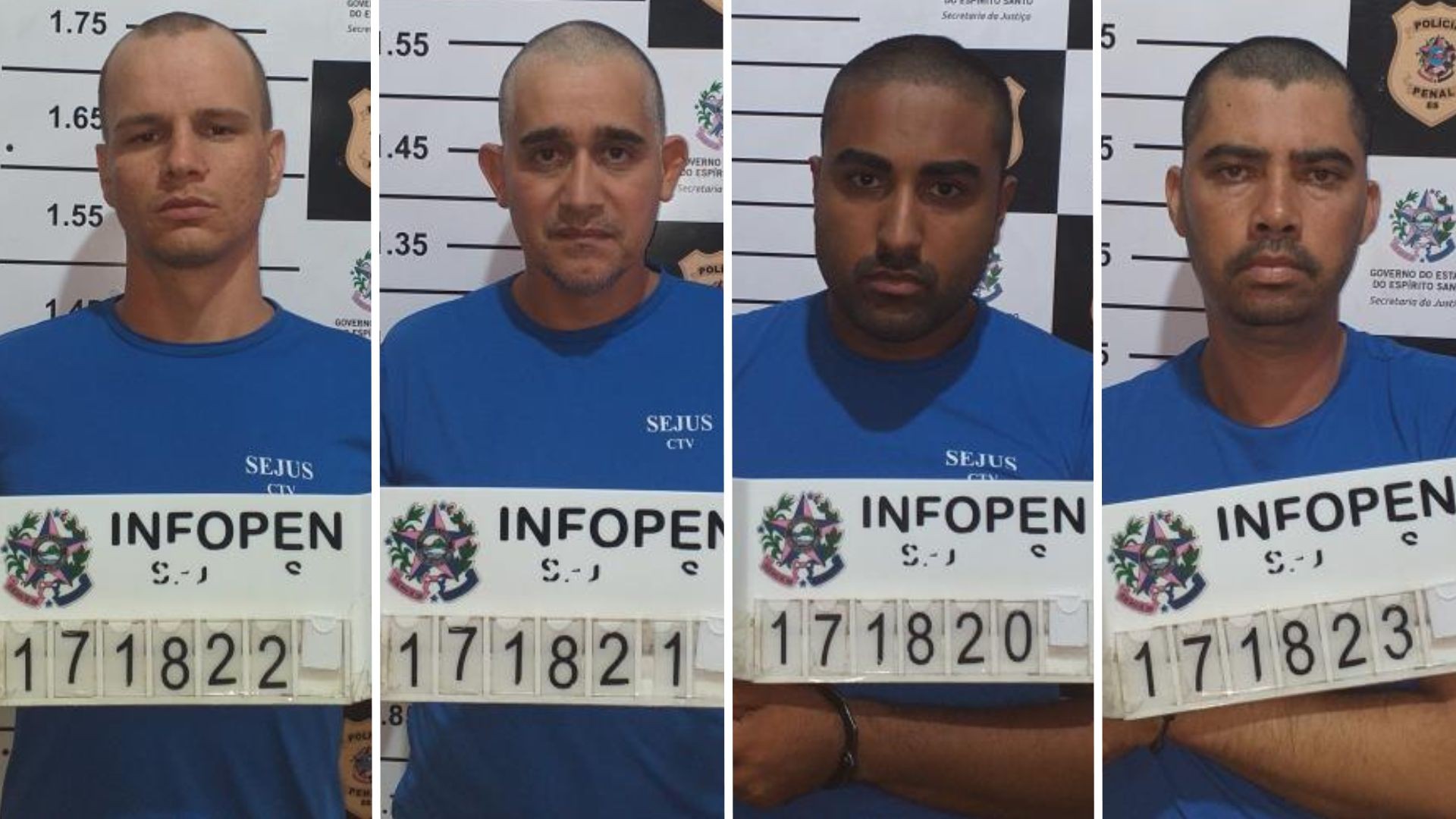
Police in Espírito Santo, Brazil, have arrested seven individuals for their involvement in a series of thefts from a mining company in Vitória, resulting in losses exceeding R$1.5 million (approximately $300,000 USD). Two distinct criminal groups, allegedly aided by company employees, are accused of stealing copper coils and batteries. These materials were then resold in other cities within the Greater Vitória region.
The investigation, initiated in May of the previous year, utilized internal security camera footage and state video monitoring to identify the suspects. The arrests, which occurred in June, targeted four individuals: Cristiano Macedo, Francisco Tiago Guerra, Angles Detman, and Ernande Pacheco Martins, for criminal association. Three others, Weverton Dias de Oliveira, Robson Rodrigues de Almeida, and Aldierio Viana Guimarães, have also been indicted.
The copper coil theft ring operated by entering the facility using a hired truck and an employee's access badge, then using cranes to load the coils. They circumvented security by using forged invoices to remove the materials. The stolen coils were destined for Guarapari at the time of one arrest. A separate group was discovered to have been stealing batteries used for locomotives and fire alarms since 2022, causing over R$20,000 in losses. This group allegedly involved company employees and a third-party contractor who facilitated access to discarded batteries, which were then resold through a store in Serra. Three individuals were arrested in connection with the battery thefts, and three others were indicted.
This incident highlights significant internal security vulnerabilities within a major mining operation, suggesting a systemic breakdown in oversight and employee vetting. The elaborate methods employed, including forged documents and the exploitation of internal access, indicate a well-organized criminal enterprise rather than opportunistic theft. The involvement of employees and third-party contractors points to potential issues with corporate culture, incentive structures, and the effectiveness of internal controls. Moving forward, the company must implement robust auditing protocols, enhance background checks for all personnel, and invest in advanced surveillance and inventory management systems to mitigate future risks. The long-term implications involve not only financial recovery but also rebuilding trust with stakeholders and potentially facing regulatory scrutiny regarding operational security standards.
AI-generated to prompt reflection — not editorial opinion, not advice, not a statement of fact. How this works.