Seven Arrested in Million-Dollar Luxury Goods Fraud Ring in Brazil
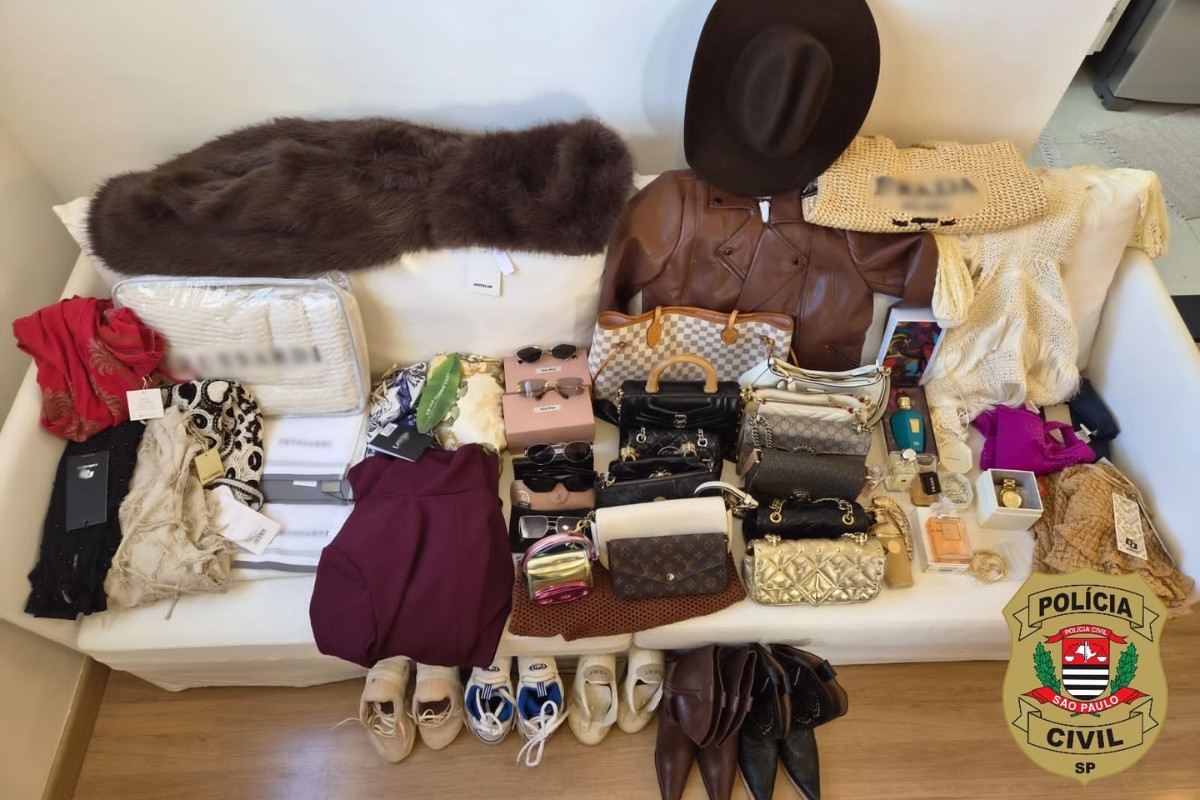
Brazilian Civil Police have arrested seven individuals in an operation targeting a sophisticated criminal organization suspected of defrauding luxury goods retailers. The operation, dubbed "Golden Gift," uncovered a scheme that allegedly moved approximately R$ 40,000 daily through electronic fraud, potentially totaling over R$ 1 million per month. Investigations began in April after a luxury store manager in Presidente Prudente reported a loss exceeding R$ 12,000 from fraudulent online purchases. The group allegedly acquired stolen credit card data from hackers, used it to purchase high-end items, and then resold them online at significant discounts, often up to 60% off the original price. Fake documents were used for purchases, and a network of delivery drivers facilitated the movement of goods, often passing them between multiple couriers before final delivery in Londrina. The investigation identified 14 suspects in total, with seven arrested on temporary warrants and 12 search and seizure warrants executed across São Paulo, Cambé, and Londrina in Paraná. The arrested suspects, including three men and four women aged between 25 and 35, are being investigated for criminal organization, electronic fraud, money laundering, and association for criminal purposes. Authorities also seized hundreds of luxury items, electronic equipment, and documents, with bank accounts frozen to potentially compensate victims. The group is believed to have been active for at least two years, and the investigation is ongoing, with potential for further arrests and asset recovery.
This operation highlights the evolving sophistication of e-commerce fraud, particularly in the luxury goods sector, where high-value items present attractive targets. The criminal network's structure, involving data acquisition from hackers, remote purchasing, and a distributed delivery chain, demonstrates a calculated approach to maximizing profit while minimizing direct exposure. The daily financial flow suggests a significant scale of illicit activity, underscoring the need for enhanced cybersecurity measures and cross-jurisdictional cooperation among law enforcement agencies. Future efforts may focus on disrupting the supply chain of compromised financial data and strengthening authentication protocols for online transactions to mitigate similar large-scale frauds.
AI-generated to prompt reflection — not editorial opinion, not advice, not a statement of fact. How this works.