Seven Common Kitchen Mistakes to Avoid During Gas Shortages
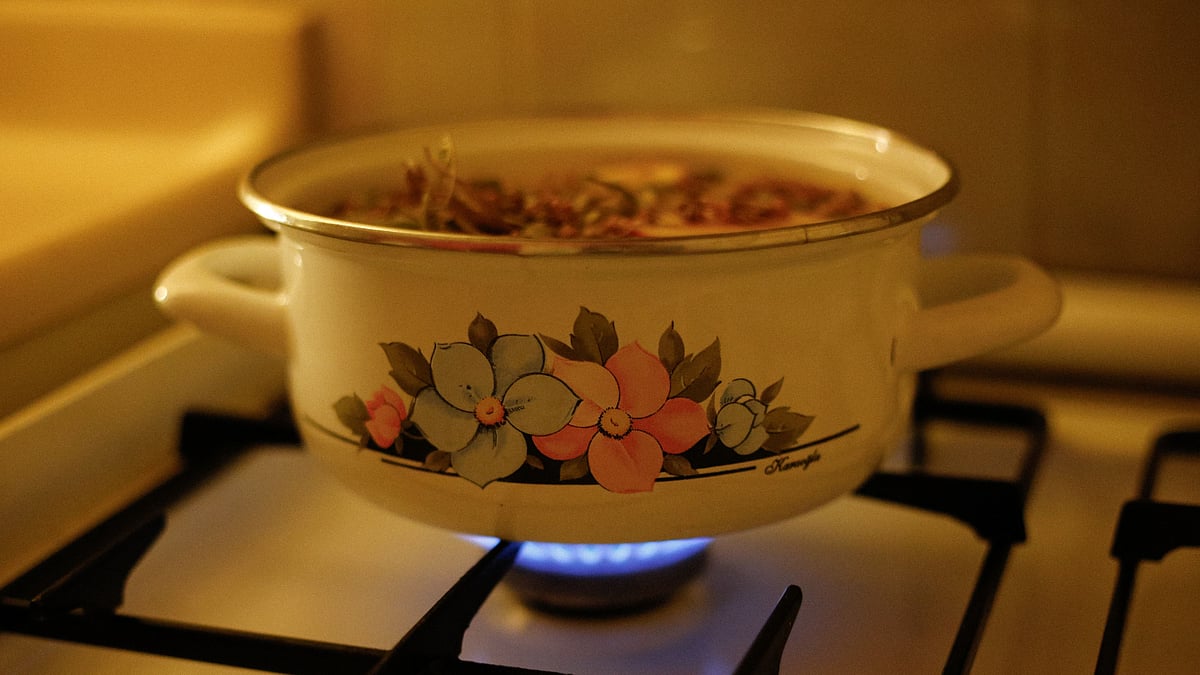
Many individuals are facing difficulties with cooking due to gas shortages, potentially leading to common mistakes with serious consequences. Dr. Farhana Sharif, an associate professor at the Government College of Applied Human Science, advises on avoiding these pitfalls. One critical error is using cylinder gas with stoves designed for piped gas, as the pressure and fuel types differ, necessitating specific stove models for safety. Storing excessive gas cylinders at home, beyond immediate needs, also heightens the risk of accidental explosions and is ethically questionable. Users should avoid leaving stove knobs on when gas is out, as even small amounts of gas can accumulate and pose a hazard. Cooking with a weak, non-blue flame (yellow or orange) indicates incomplete combustion, potentially producing carbon monoxide and risking health issues; it's safer to wait for adequate gas pressure and a blue flame. Attempting to save time by lighting multiple burners simultaneously during low gas pressure can be counterproductive, often prolonging cooking times; it's more efficient to use one burner at a time. Ensuring adequate ventilation in the kitchen by opening windows or using exhaust fans is crucial before and during stove use. Never operate electrical switches or use open flames if a gas leak is suspected. Cylinders should always be kept upright and handled carefully to prevent tipping or rolling, which increases accident risk. Finally, practical cooking tips include keeping stoves and pots clean, cutting food into medium or smaller pieces to reduce cooking time, and using lids to conserve heat. Utilizing appliances like pressure cookers or steam cookers can significantly reduce cooking duration and fuel consumption.
The current gas shortage highlights systemic vulnerabilities in energy distribution and household reliance on specific fuel types. The advice provided focuses on immediate safety and efficiency, addressing user-level errors. However, it implicitly points to broader issues of infrastructure reliability and the need for diverse energy solutions in households. Encouraging the use of alternative cooking methods like pressure cookers or steam cookers, while practical, also signals a potential shift towards more energy-efficient technologies. Future preparedness may involve promoting dual-fuel appliances or investing in more resilient energy grids to mitigate the impact of such shortages on daily life and public well-being.
AI-generated to prompt reflection — not editorial opinion, not advice, not a statement of fact. How this works.