Seven Dead in Head-On Collision Between Patient Transport Van and Truck in Pernambuco
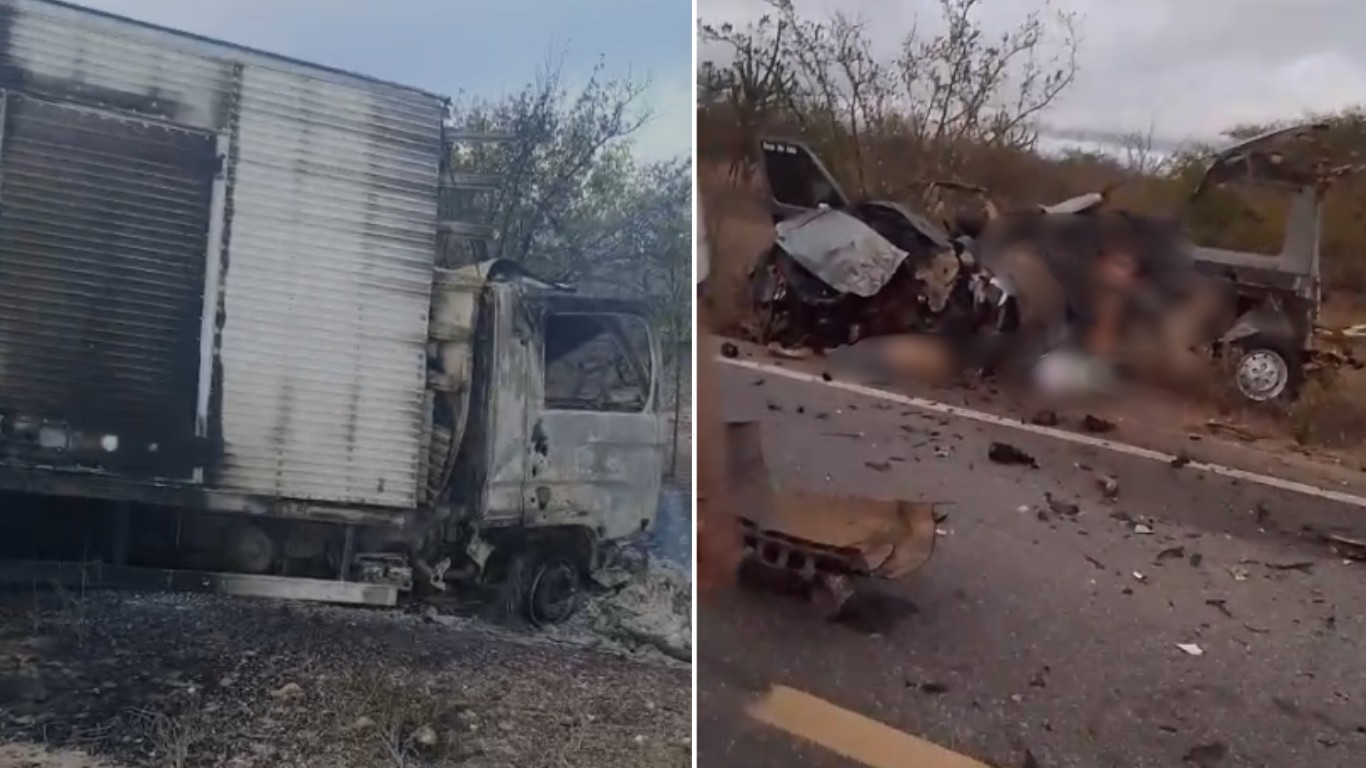
A tragic head-on collision on the PE-360 highway in Pernambuco's Sertão region has resulted in the deaths of seven people. The accident occurred early Thursday morning, the 23rd, between a truck and a van transporting patients from Petrolândia for medical treatment in Arcoverde. Among the deceased are five patients, the van driver, and the truck driver. Four other patients were rescued and taken to regional hospitals. Governor Raquel Lyra expressed deep sorrow over the incident, offering the state's full support to Petrolândia. She spoke with Mayor Fabiano Marques, conveying solidarity and reaffirming state assistance during this difficult time. The Petrolândia City Hall declared an official three-day period of mourning for the victims, citing the community's profound grief. The van, part of the "Tratamento Fora do Domicílio" (TFD) program, departed Petrolândia with eight patients and its driver. Reports indicate the driver may have given a ride to an unidentified individual. The collision, which occurred near Serra Negra between Floresta and Ibimirim, caused extensive damage, destroying the van and scattering debris across the road. Emergency services, including SAMU, Firefighters, and various police units, responded to the scene. The Civil Police have launched an investigation into the exact causes of the crash.
This tragic accident highlights systemic challenges in rural healthcare access and transportation safety. The reliance on a TFD program for essential medical treatments underscores the infrastructure gaps in remote areas, potentially leading to overstretched resources and increased risk for patients. The investigation into the crash's cause will be critical in identifying contributing factors, whether mechanical failure, driver error, or road conditions, to prevent future occurrences. The response from both state and municipal authorities, including the declaration of mourning and provision of aid, demonstrates a commitment to addressing the immediate aftermath. However, the long-term implications involve a deeper examination of the safety protocols and logistical planning for patient transport services in regions facing similar constraints, ensuring patient well-being remains paramount amidst the necessity of seeking medical care.
AI-generated to prompt reflection — not editorial opinion, not advice, not a statement of fact. How this works.