Seven Meanings of Love in Japanese Culture
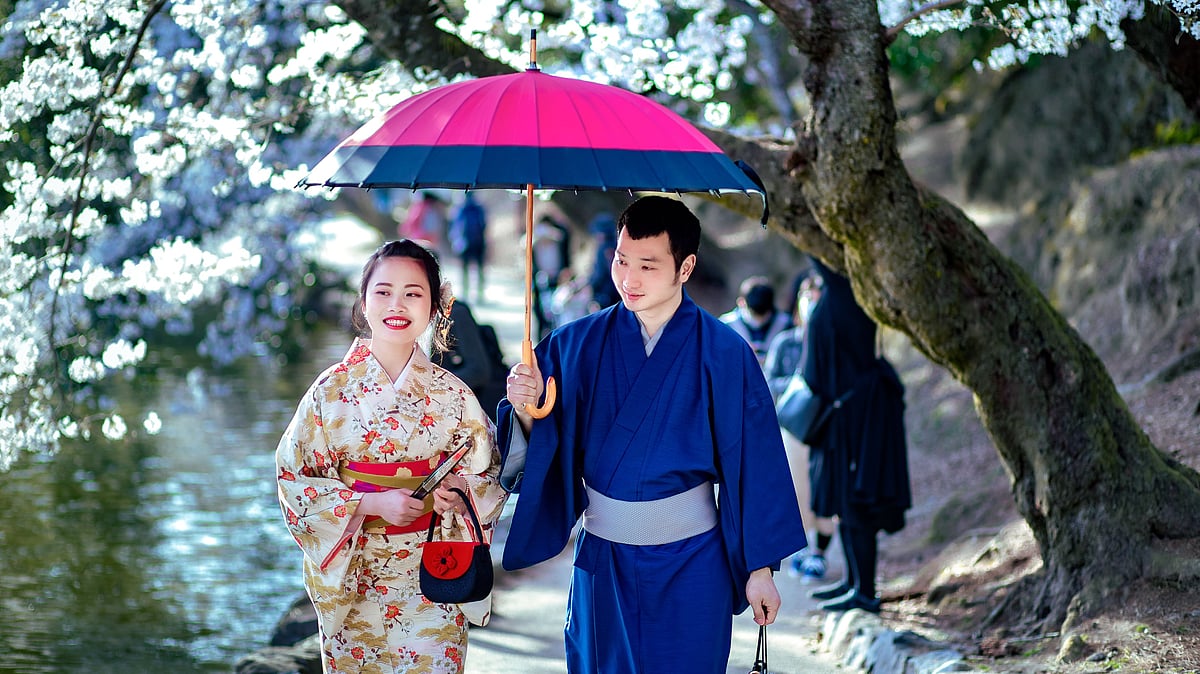
Japanese culture offers a nuanced perspective on love, extending beyond romantic feelings and the desire for lifelong partnership. It acknowledges that relationships can be transient, serving to enrich lives with memories and experiences, with individuals acting as companions for specific journeys. The concept of 'Nintai' highlights patience and tolerance as crucial elements of love, emphasizing the ability to endure differences, challenges, and imperfections within a relationship to move forward together. 'Omoiyari,' a core Japanese value, signifies empathy and thoughtfulness, involving an understanding of another's feelings and needs even before they are expressed, and acting accordingly with care. The philosophy of 'Ichigo Ichie' teaches the value of cherishing every moment with loved ones, recognizing that each encounter, conversation, and experience is unique and unrepeatable. 'Wa' prioritizes harmonious solutions over unnecessary conflict in relationships, suggesting that setting aside personal ego and even accepting loss can lead to the relationship's success. 'Mimamoru' describes the act of silently supporting a loved one without trying to control them, accepting them as they are and allowing them space to grow. 'Amae' refers to the comfort of secure dependence, where one can openly express vulnerabilities and find emotional relief through a partner's affection, trusting in their support to alleviate emotional burdens. Finally, 'In' suggests that the presence of a person in one's life, even if temporary, has meaning and should be accepted gracefully, without forcing a connection that has naturally reached its limit, advocating for a respectful conclusion and moving forward.
This exploration of Japanese concepts of love offers a valuable counterpoint to Western notions often centered on possession and permanence. By highlighting 'Nintai' (patience), 'Omoiyari' (empathy), and 'Ichigo Ichie' (cherishing the moment), the framework encourages a more mindful and resilient approach to relationships. The emphasis on 'Wa' (harmony) and 'Mimamoru' (silent support) suggests a cultural preference for de-escalation and non-interference, contrasting with more confrontational conflict-resolution styles. The inclusion of 'Amae' (secure dependence) and 'In' (meaningful connection, accepting impermanence) acknowledges the psychological need for vulnerability and the acceptance of life's transient nature. In an era increasingly shaped by digital interactions and potentially fleeting connections, these principles provide a robust foundation for building deeper, more enduring human bonds by focusing on mutual respect, emotional intelligence, and the profound value of shared experiences, regardless of their duration.
AI-generated to prompt reflection — not editorial opinion, not advice, not a statement of fact. How this works.