Severe Drought Restricts Water Access: Citizens Barred from Drawing Water from Rivers
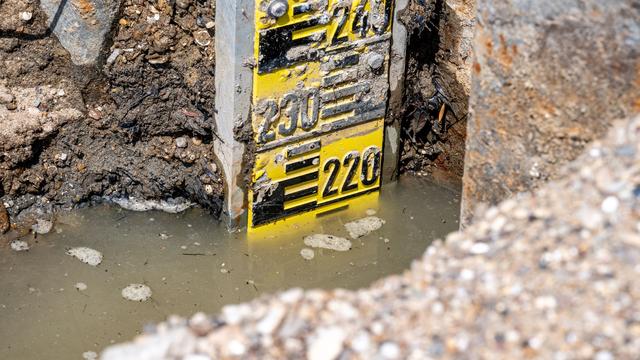
Germany is experiencing a severe drought, leading to significant water shortages. As a consequence, authorities have implemented restrictions that prohibit citizens from drawing water from rivers. This measure is a direct response to the critically low water levels in the country's waterways, which are essential for various uses including agriculture, industry, and public supply.
The ongoing dry spell has depleted natural water sources, impacting ecosystems and raising concerns about long-term water security. The decision to restrict public access to river water aims to preserve the remaining water resources for critical needs and to prevent further environmental damage. Further updates on the drought situation and potential changes to these restrictions are expected as weather patterns evolve.
The current drought conditions in Germany highlight the increasing vulnerability of European water resources to climate change. The restriction on citizen access to river water, while necessary for immediate conservation, points to a systemic challenge in water management. This event underscores the need for robust, long-term strategies that balance immediate needs with the preservation of water for future ecological and economic stability. Future planning must consider infrastructure for water storage, efficient usage technologies, and adaptive policies to mitigate the impacts of prolonged dry periods, especially in light of projected climate shifts.
AI-generated to prompt reflection — not editorial opinion, not advice, not a statement of fact. How this works.